



In oncology, the quality of a patient’s care is too often determined by their ZIP code rather than their diagnosis. The expertise exists, but reaching it depends on where a patient lives and which health system they happen to be in. Time and access to the right expertise function as clinical variables, as consequential to outcomes as the treatment itself. The system, in effect, distributes them by geography instead of by need.
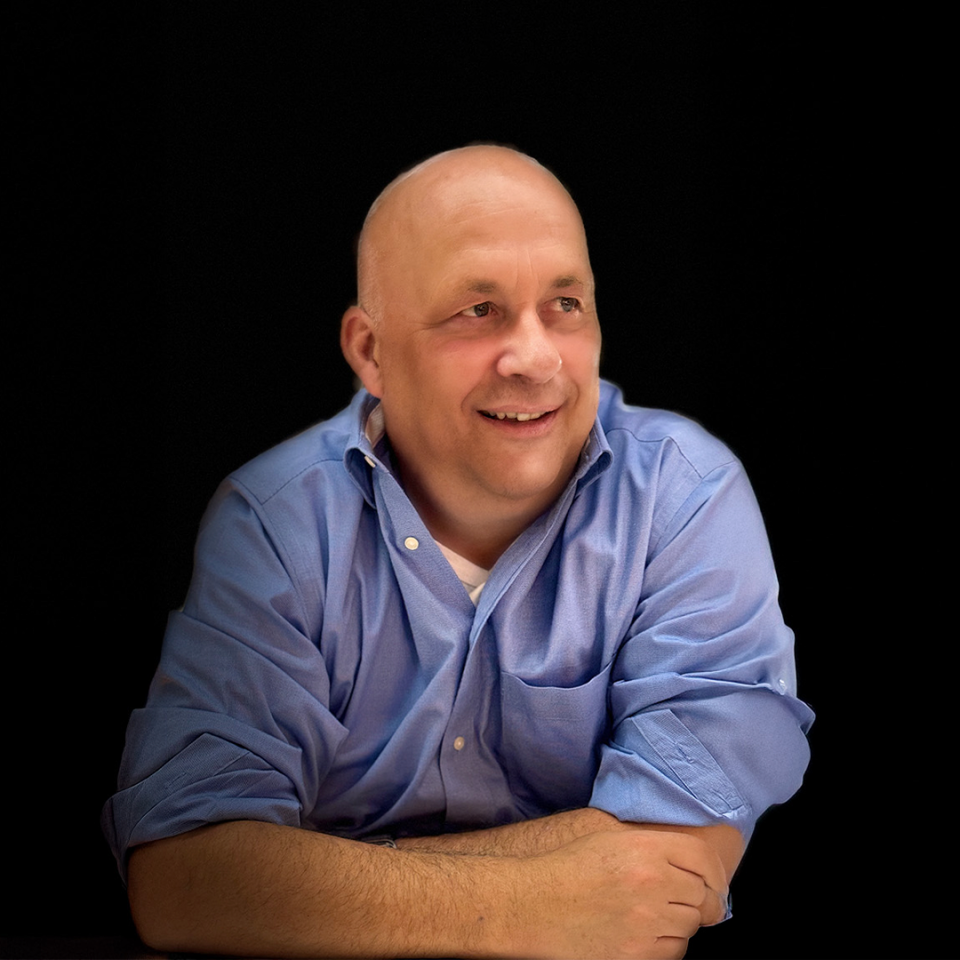
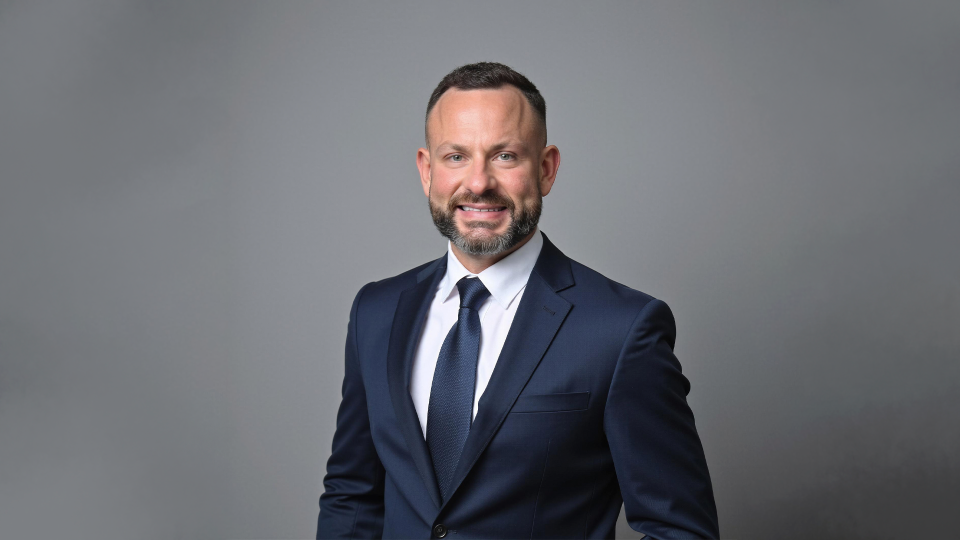
Dr. Ronald Matteotti, an oncology leader and the force behind Trusted Telehealth®, built his work around correcting that imbalance. “The future of cancer care is not defined by where you live,” he states. “It is defined by how quickly you can access the right expertise.” Expertise should travel to the patient, not the other way around.
Access Should Not Depend on a ZIP Code
For most of the history of specialized medicine, a patient seeking the best cancer minds had to physically reach them, traveling to a major center, navigating a referral chain, and absorbing the delay built into every step. That model ties the quality of a patient’s care to the accident of where they live and which health system they happen to be in. The expertise exists, but it is locked behind geography, and the patients living furthest from the treatment are often the ones with the least time to spare.
The reframing of Trusted Telehealth® inverts that arrangement. Rather than requiring patients to find world-class oncology expertise, it brings that expertise directly to them through rapid, independent, evidence-based second opinions and personalized care navigation.
Whether a patient is in New Jersey, Singapore, London, or rural America is no longer the determining factor in the quality of guidance they receive. This is the practical meaning of treating access as a clinical variable. When expert insight reaches a patient in days, regardless of their location, the geographic lottery that has long shaped cancer outcomes loses much of its power, and the patient gains time precisely when time matters most.
Technology Should Amplify the Physician, Never Replace One
Cancer care now generates an overwhelming volume of information, a burden that has only grown in the age of artificial intelligence (AI), and patients are frequently left to interpret it alone at the most frightening moment of their lives. The temptation in a technology-driven model is to let automation fill that gap directly. Dr. Matteotti draws a firm line against it. The role of technology in medicine is to amplify expertise and accelerate access, not to substitute for the physician.
In practice, that means combining expert physician review with advanced digital workflows and AI, always with a human in the loop, and grounding every step in evidence-based medicine. The technology accelerates the work and organizes the information, but a qualified physician renders the clinical judgment, because that judgment is exactly what a frightened patient needs and exactly what automation cannot responsibly provide.
“Technology should never replace the physician,” Matteotti reflects. “It should amplify expertise and accelerate access.” The goal sounds simple but demands real discipline to deliver: better decisions and less uncertainty. Achieving it means keeping the human expert at the center, while letting the technology do what it does well.
Trust Is the Foundation, Not a Feature
Everything in this model rests on something that cannot be engineered as an add-on. For a patient making decisions that may determine the course of their life, trust is not one attribute of good care among many. It is the precondition for all of it. Care that is not personal, secure, and grounded in evidence does not earn the confidence a patient needs to act, and confidence is what the entire process exists to produce.
This is why every case reviewed on the platform receives an independent clinical evaluation focused on the individual patient, delivered in a way that is compassionate as well as rigorous. Independence matters because it frees the guidance from the constraints of any single health system or referral network, letting the patient receive insight oriented solely around their own situation.
The aim is a future in which expert cancer guidance is accessible, timely, and available to everyone rather than to the fortunate few positioned near it. The deeper lesson reaches past any single platform. In oncology, getting the right expertise to the right patient quickly is not a convenience layered on top of good medicine. It is good medicine, and building the systems that deliver it is how the field finally stops letting a patient’s outcome depend on where they happened to receive the news.
Follow Dr. Ronald Matteotti on LinkedIn to learn more about Trusted Telehealth® and the work of making rapid, independent, evidence-based oncology expertise accessible to patients everywhere.