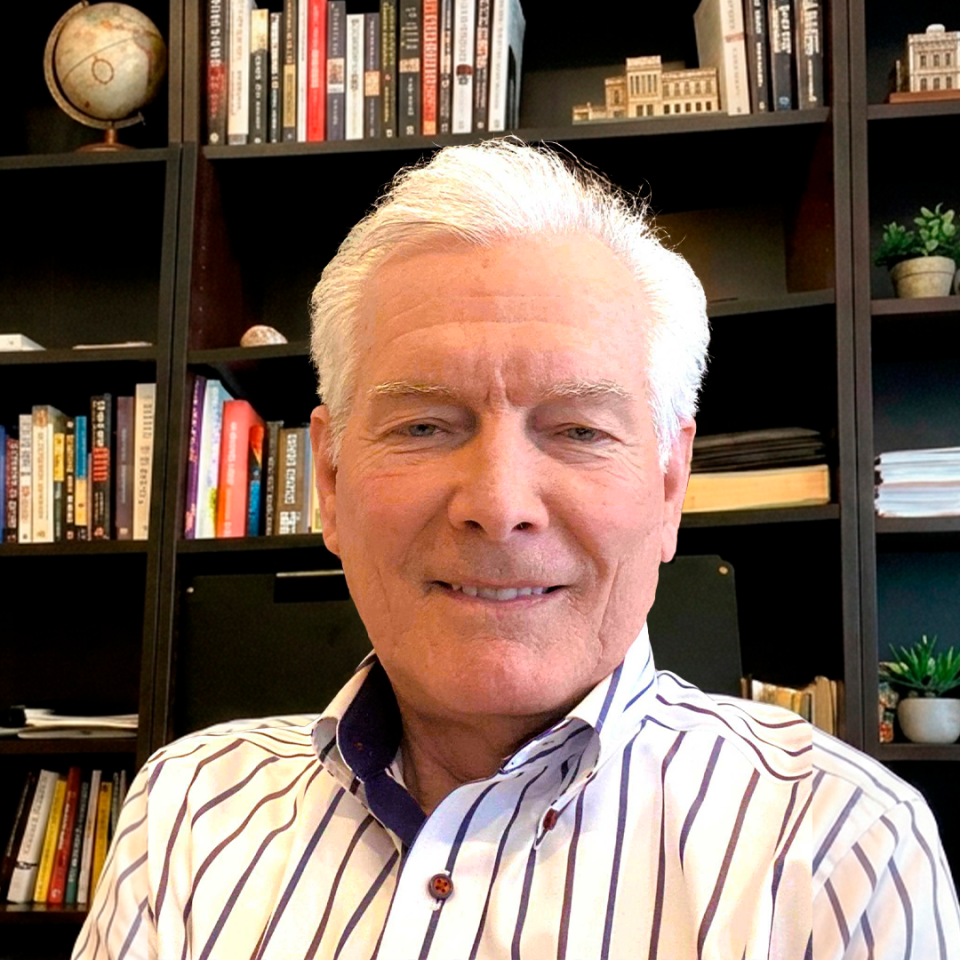




Expertise and the ability to communicate it pull in opposite directions, and the more someone knows, the stronger the pull. This is the counterintuitive reason so many brilliant presenters lose the room. The expert who has spent 20 years inside a subject can no longer remember what it was like to stand outside it, so they present from the altitude at which they are, and the audience, arriving cold, is never reached. Richard “Rick” Davis, co-founder of Arbor Scientia, has coached pharma executives, physicians, nurses, and emerging thought leaders across dozens of countries, and he names the problem plainly. “Your expertise isn’t enough. You need to connect.”
Deep Knowledge Is the Obstacle, Not the Asset
An expert assumes the audience shares their frame of reference, and that is rarely true. The speaker is deep in the subject matter while the audience comes in shallow, and the distance between those two positions is the distance the speaker’s own expertise created. Davis admits he made this mistake constantly, presenting as though the room already lived where he did.
“It’s not about dumbing things down,” Davis explains. “It’s about meeting people where they are.” Understanding how people actually learn and what holds their attention closes the gap, and it changes everything about how a message lands. The expert does not have to know less; they just have to remember what it was to not yet know, and build the path from there.
Stories Land Because They Operate at Human Altitude
Facts and figures live at the technical altitude the speaker occupies, and an audience does not retain them the way the speaker assumes. People remember stories. Davis has watched speakers with credentials intimidating enough to silence a room fail to connect until the moment they stopped reciting what they knew and started telling what actually happened in their work.
“Once they start sharing what actually happened in their work, what they learned the hard way, that’s when the room leans in,” Davis observes. A story works where data does not because it operates at human altitude regardless of how technical the underlying subject is. The hard-won lesson or mistake meets the audience on the ground they already stand on, and carries the expertise across in a form that the audience will remember.
A Blind Spot Is, by Definition, Something Only Someone Else Can See
The curse of knowledge is a blind spot, and a blind spot cannot be self-diagnosed, because the whole reason it exists is that the person carrying it cannot see it. This is why Davis is emphatic about coaching, and candid that it applies to him too. “I didn’t become a better communicator by working alone,” he states. Someone positioned outside the expert’s own frame is required to spot the places where the message left the audience behind, to refine the delivery, or to push the speaker toward greater clarity and authenticity.
The value here is perspective. The expert’s knowledge creates a distance from the audience; closing that distance means meeting the audience where they are, carrying the expertise across in stories that reach them, and enlisting someone who can see the blind spot the expertise creates.
The goal, as Davis frames it, is to stop presenting information and start creating understanding. To learn more about coaching thought leaders and executives to communicate with clarity and impact, connect with Richard “Rick” Davis on LinkedIn