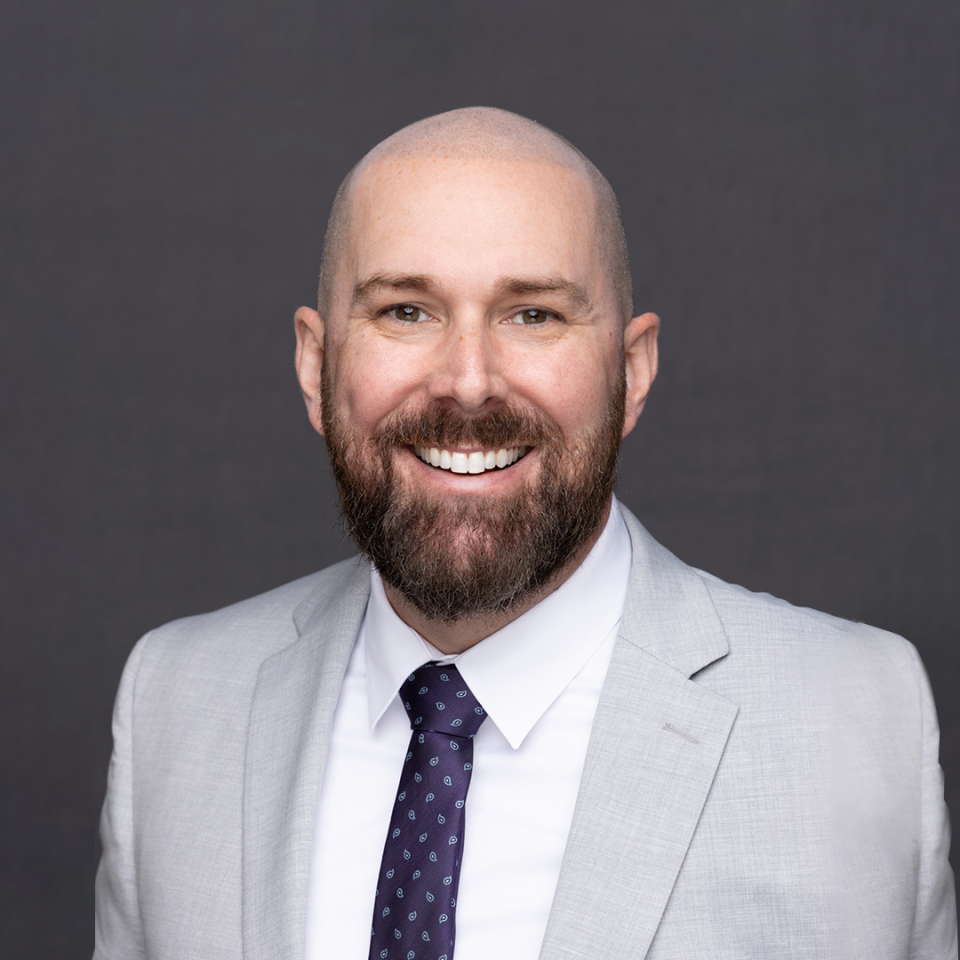






Most healthcare AI is sold as a way to do more, but Eric C. Gardner has found the opposite is true. The value of every deployment he cites comes from what the technology removes, not what it adds. “AI isn’t a magic button,” he says. “It’s a tool, a powerful one, but only if used to elevate care and not complicate it.”
Gardner, Vice President of Operations at Leidos QTC, a retired U.S. Air Force Medical Service Corps officer, and a transformation strategist with more than 20 years in healthcare innovation, has led modernization across the military health system and improved outcomes for over a million Medicare patients. What separates the tools that worked from the ones that failed, in his account, is whether they took friction out of a clinician’s day or piled more on top of it.
Remove Friction, Do Not Replace People
AI should enhance the provider-patient relationship rather than substitute for it. Gardner gives an example of Ambient AI scribes giving clinicians back as much as eight to ten hours a week by handling documentation, time that went straight back into patient engagement instead of data entry. The results followed from returning attention to people. Better compliance, fewer errors, and a threefold increase in patient satisfaction. The scribe never touched the care itself; it removed the clerical weight that had been crowding out the care.
Let Data Lead, Keep the Human in the Loop
Predictive models are powerful only when paired with clinical judgment, and Gardner is deliberate about where the machine stops. At Flagship Health, machine learning flags high-risk seniors for early intervention, but the flag is where the automation ends. The insight goes to a real provider who personalizes the follow-up, rather than triggering an automated care pathway. That division of labor produced fewer hospitalizations and higher quality scores. The model is good at surfacing who needs attention, but it is not equipped to decide what that attention should be, and Gardner does not ask it to.
Build AI Into the Workflow, Not on Top of It
Too many tools announce themselves, and the result is alert fatigue and a stream of pop-ups clinicians learn to dismiss. Gardner’s standard is that good AI disappears into the process it improves. At Leidos QTC, AI was integrated directly into the exam and eligibility process: no pop-ups or disruption, just smarter routing and real-time eligibility checks. The integration reduced errors, saved $20 million in operating costs, and improved turnaround time across more than 600,000 military readiness exams a year. The distinction between building AI into a workflow and bolting it on top is the difference between a tool clinicians use without thinking and one they fight all day.
AI has earned its place by subtracting friction, deferring to human judgment, and staying out of sight. It never succeeds by taking over the parts of care that depend on a person. Gardner’s advice to any leader is to start small, stay focused on the specific problem being solved, and keep the patient at the center. To learn more, connect with Eric C. Gardner on LinkedIn.