

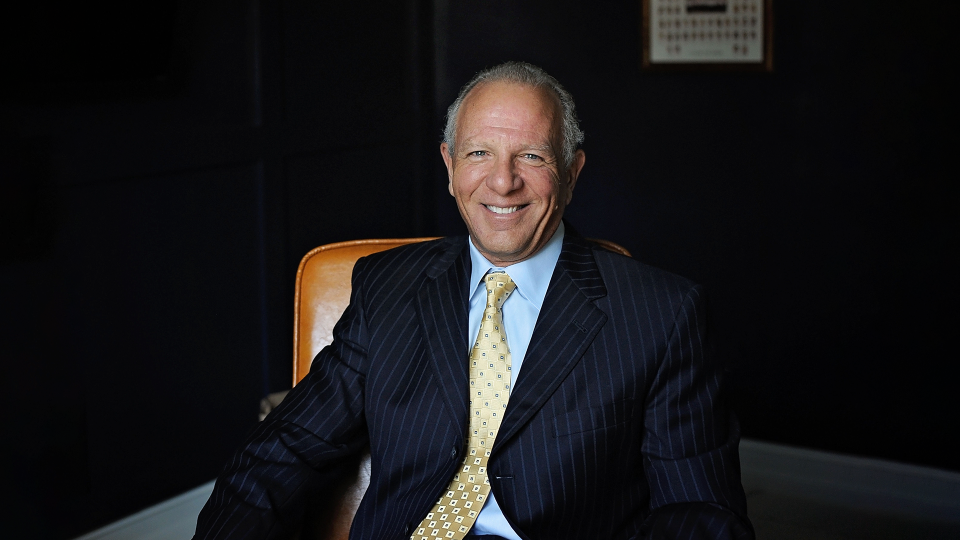




A founder who cannot yet afford a chief revenue officer (CRO) is usually assuming that executive value accrues by the hour. Jason Slattum, Fractional CRO and Co-Founder of SLATT Consulting, points to a ratio that suggests otherwise. “You are paying for 25–30% of their time and getting 70–80% of the impact,” he says. That gap is not a bargain so much as evidence about how senior expertise actually works. The judgment calls, diagnosis, and architecture of a go-to-market (GTM) motion are compressed into relatively few hours, and much of what fills the rest of a full-time week is execution that does not require 25 years of experience to perform.
Slattum has spent more than two decades building revenue organizations across healthcare, human capital management, and software as a service, driving 30% year-over-year growth and guiding companies to private-equity-backed scale and exits. His argument is that a founder waiting for revenue to justify a full salary is waiting to buy forty hours to get the eight that matter.
The Experience Does Not Shrink With the Hours
Bringing in someone with 25 years of GTM experience for one or two days a week simply purchases a fraction of their availability and very little of their capability. “The experience does not shrink because the hours do,” Slattum says. What a founder needs at an early stage is disproportionately weighted toward decisions rather than volume: which segments to pursue, how to price, what the first sales hires should look like, and where the motion breaks as it scales. Those questions are answered by someone who has seen the pattern before, and answering them well takes judgment rather than time. Full-time employment prices an executive as though every hour carried the same weight, which is expensive for a company that cannot yet afford the whole package.
Buying the Specific Expertise You Lack
A fractional arrangement lets an early-stage company work with leadership that built revenue engines at Microsoft, Google, and other Fortune 100 companies, applied to a business at a fraction of that scale. Slattum considers that transfer valuable, since the problems a small company faces have usually been solved somewhere larger. Recognizing which solved problem you are looking at is most of the work. If a permanent hire at that level is out of reach for a pre-revenue business, it would arguably be the wrong use of the person even if it were affordable. Fractional makes the depth available without the commitment, which changes what expertise an early company can realistically reach.
Treat It as a Strategy, Not a Stopgap
The distinction that determines whether any of this works is how the arrangement is structured. Slattum is direct that companies which succeed with fractional leadership give that leader real authority and full integration into the business. When treated as a placeholder until a real hire arrives, a fractional CRO is kept at the edge of decisions and delivers accordingly. However, when treated as a revenue leader, the same person operates as one.
“When you empower that leader, part-time leadership produces full-time results,” Slattum says. The constraint was never the hours to begin with; it was whether the organization was willing to let those hours count. To learn more, connect with Jason Slattum on LinkedIn.