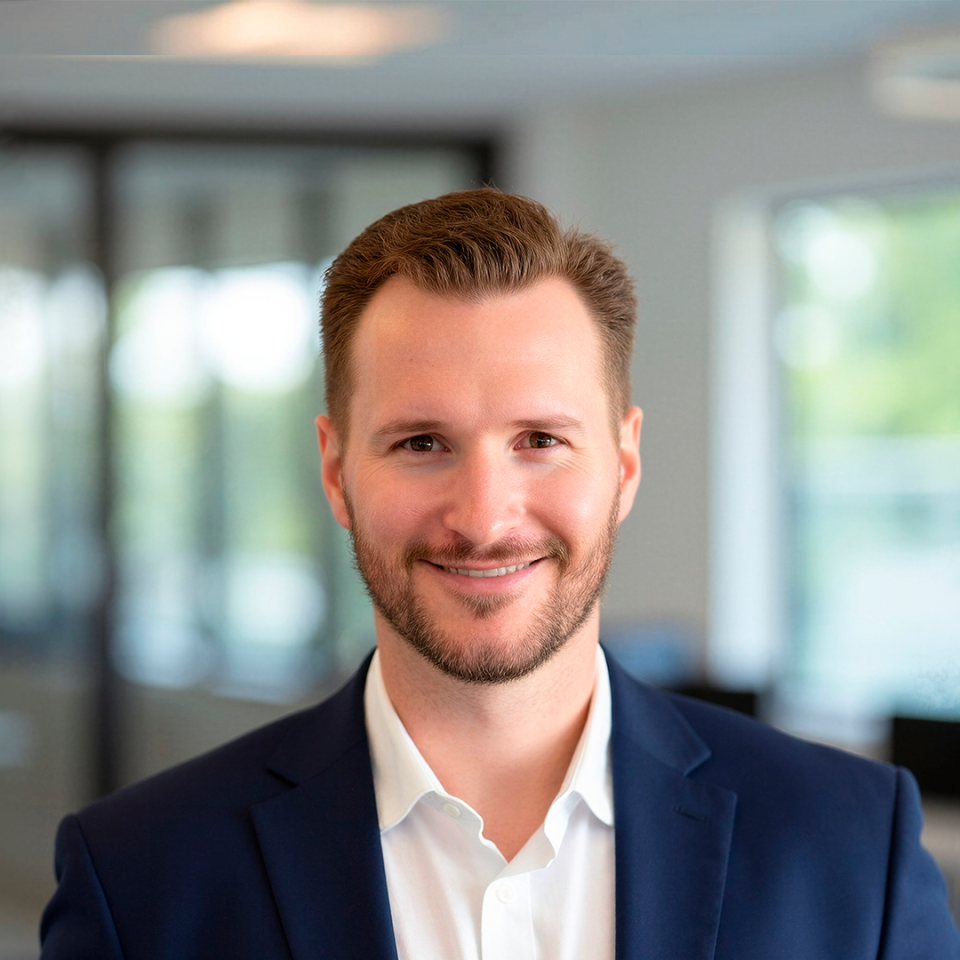





Most business failures are not failures of capability. They are failures of staying power. Organizations that cannot outlast difficulty, leaders who chase intensity over consistency, teams built for sprints rather than sustained performance: the pattern is predictable, and the cost is high. Derek M. Ezell, Executive Vice President (EVP) of Sales at Whitefriar and founder of Trailer Bash Events, has built across construction, utilities, early-stage companies, and sales leadership, and the lesson that repeated itself across every environment was the same. Success does not come from quick wins. It comes from the discipline to keep going when most people have already stopped. He calls it the 100-mile mindset. “Daily discipline compounds,” Ezell states. “The question isn’t how fast can I go. It’s can I keep going when things get hard?”
Endurance Beats Intensity. Every Time
The instinct in business, especially in sales, is to optimize for speed. Immediate results, instant growth, momentum that feels like progress. The leaders and organizations built on that instinct tend to perform well in favorable conditions and poorly when conditions change, because intensity without endurance lacks a mechanism to hold steady as motivation fades. Ezell draws the principle directly from his experience in endurance racing, where the athlete who manages effort over time consistently outperforms the one who goes out hardest.
Business operates the same way. Whether building a sales team, scaling a company, or growing a brand, the compounding effect of daily discipline over months and years produces outcomes that bursts of intensity never reach. Showing up consistently, executing the fundamentals, staying committed to the process before the outcome is visible, that is where real results are built, and that is where most people quit before the work pays off.
Relationships Before Revenue
Across every industry Ezell has operated in, he has found a similar pattern: people buy from people they trust. The organizations that optimize purely for transactions discover this the hard way when a competitor who invested in relationships absorbs their customer base. Long-term growth does not come from closing deals. It comes from making it easy to work with you, following through consistently, and caring genuinely about whether the other side wins.
At Whitefriar, Ezell builds real partnerships with clients rather than chasing short-term revenue. The same orientation shapes Trailer Bash Events; people remember how they were made to feel long after a transaction is complete. When an organization solves problems reliably, communicates clearly, and treats clients like relationships rather than revenue lines, then referrals and retention follow naturally. Revenue becomes the byproduct of doing everything else correctly, rather than the goal that crowds out everything else.
Simplicity Is What Scales
As organizations grow, complexity accumulates. More stakeholders, processes, and layers of communication mean that, with each addition, execution becomes harder and accountability murkier. The mistake most leaders make is tolerating that complexity rather than fighting it. Great teams do not need more sophistication. They need clarity. The strongest businesses Ezell has observed and built are grounded in simple, repeatable processes that people can actually execute consistently at scale. Clear expectations, defined accountability, systems that reduce friction rather than create it. Simplicity is not a starting point to be outgrown; it is the structural principle that allows a business to scale without breaking.
The 100-mile mindset applied to operations means choosing the process that can be sustained for the long race, not the one that looks impressive at the starting line. Most people stop long before they reach their true potential, not because they lack talent or resources, but because they optimized for the wrong timeframe.
Follow Derek M. Ezell on his personal website, Trailer Bash Event’s webpage, Whitefriar, or on LinkedIn for more insights on sales leadership, team building, and the long-term mindset that separates businesses that last from those that plateau.