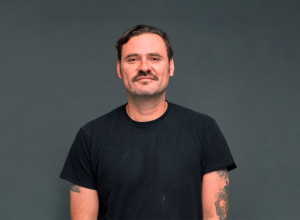






For Noah Boudreaux, an executive leader and Chief Operating Officer, effective change management starts with trust; organizational change is most difficult when employees lack confidence in the people asking them to change. “Trust is number one,” Boudreaux says. Employees need confidence in leadership, but they also need to know their direct manager understands the change and can help them navigate it. That combination creates the foundation for organizational clarity, making it easier for people to move from uncertainty to action.
Trust Is the Starting Point for Change
Boudreaux sees trust as something leaders earn through consistent behavior. Employees watch how leaders handle existing commitments, make decisions and respond when something goes wrong. Every new change, or misstep, becomes another test of that relationship. “If missteps are handled in the right way and really transparently with employees to explain what worked or what didn’t, I think that just goes a long way with employees,” Boudreaux says. Direct managers play an equally important role. When employees see that their manager is bought into the change and equipped to help them adapt, the shift becomes more tangible. Rather than receiving change as an abstract corporate decision, employees have someone helping translate it into their own work.
Structure Can Make Organizations More Agile
Agility is often associated with less structure, but the opposite can be true when systems are designed to support change rather than prevent it. “Structure that is promoting change” can help businesses respond more effectively, Boudreaux explains. Piloting an initiative with a smaller group, learning from the results and then adjusting the rollout can provide the organizational visibility needed to scale the change with greater confidence.
Organizations need clear processes for identifying, scrutinizing and implementing changes. That can include organizational change management systems, defined decision-making processes, employee champions and smaller pilots before broader implementation. The goal is to create execution systems that give leaders and employees a reliable way to move change through the organization. Instead of simply announcing a transformation, leaders can see how it is working, where resistance is emerging, and what needs to change before expanding it.
Employee Involvement Builds Ownership
Change management also has a direct connection to employee engagement. While belonging remains foundational, Boudreaux sees meaningful participation in change as another way to strengthen an employee’s connection to the organization. “When you explain the process, bring people in and get feedback; that usually resonates quite a bit,” he says, stressing that this creates employee alignment in two ways. Those involved directly feel that their perspectives matter, while the wider organization sees evidence that leadership is willing to listen and adapt.
Leaders Must Know What Will Not Change
Perhaps the most important part of managing change is knowing where to draw the line. “Chief executive officers need to decide what they won’t change,” he says. Core values and fundamental beliefs can provide stability while everything around them evolves. Being deliberate about what remains fixed gives employees something to trust when priorities, technologies and processes are shifting.
The strongest organizations build systems that connect vision to execution, while protecting the principles that define them. That is where strategic operations becomes more than process management. It becomes a mechanism for maintaining clarity while the business evolves. For Boudreaux, managing change with purpose ultimately means creating an organization where people understand what is happening, trust the people leading it, and have enough structure to act. The objective is not simply to make change easier: it is to build a business capable of changing well.