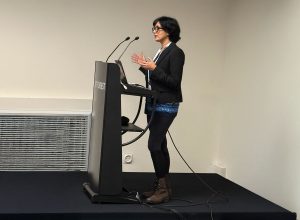





Construction is one of the most dangerous industries in America. Falls, heavy equipment, catastrophic injury – all of it priced into a contractor’s property and casualty coverage. Treacy Duerfeldt, Founder of Construction Insurance Risk Education (CIRE), points out that this is no longer the expensive line on the ledger. Group health premiums now run more than double what construction firms pay to insure against the physical risk of the work itself, and they climb another 10% to 20% every year.
“It is a problem,” he says. “It is getting worse.” Duerfeldt has spent since 1989 building insurance programs, launching carriers, and writing new policy forms for this industry, which makes his conclusion an unusual one coming from him. The answer is no longer an insurance product. “We may have to go beyond insurance,” he says.
The Value Sits in the Tax Code, Not the Coverage
Duerfeldt points to a self-insured medical expense reimbursement plan, framing it as delivering what the Affordable Care Act intended rather than what the market produced. Carriers largely treated the ACA as a compliance exercise, calculating the minimum preventative care required to qualify and supplying exactly that.
A Self-Insured Medical Expense Reimbursement Plan (SIMERP) is built beyond the minimum, and its economics behave nothing like an insurance product. The value arrives through tax treatment. A Section 105 reimbursement plan paired with a Section 125 cafeteria plan, generating payroll tax savings for the employer. That design explains its obscurity better than novelty. A broker evaluates coverage, but a certified public accountant (CPA) evaluates returns. An instrument that produces a tax outcome inside a benefits wrapper falls in the space between two professions, and nobody was hired to look there.
Utilization Is the Test
These plans have been around for years, and Duerfeldt is blunt about what he has found in the market. Other organizations sell what he calls skinny SIMERPs, structures assembled to look qualified without the substance underneath, and the employer who adopts one is the party exposed to audit and penalty.
His test is whether employees actually use the thing. “You gotta go beyond providing pet insurance in a SIMERP plan,” he says. Real preventative programs that serve an employee and their family well enough to get used are what hold up under examination, since utilization is the measure. Process matters just as much. “If an employee is not even aware of the plan and never had a chance to opt out of the plan, then the employer is playing with fire,” Duerfeldt says.
Two Reviews, Neither One Optional
“This is not an attack against any health insurance broker or agent,” he says. “Many of them are not aware of the availability of these health care alternatives.” He recommends handing the broker the structure and inviting their questions.
The tax review decides everything, since these arrangements depend on tax advantages to pay for themselves. He has watched large employers with experienced HR professionals work through the plan documents themselves, learn where a SIMERP differs from conventional preventive coverage, then bring in a CPA and a tax attorney to confirm the plan is genuine. An employer who obtains only one of those reviews has verified half of what matters.
Duerfeldt describes his work as education rather than sales, aimed at employers and insurance professionals alike. Every employer still makes their own call, and every broker still has to decide whether what they offer is something they can stand behind. What he is asking both to notice is that the fastest-growing cost on a contractor’s books has outrun the category built to control it.
To learn more about going beyond insurance, connect with Treacy Duerfeldt on LinkedIn or visit CIRE Learning.