





Security leaders are exceptionally good at presenting risks that executives are good at nodding through. The meeting ends, the budget stays the same, and the risk remains exactly where it was. The problem is not that leadership does not care about security. It is that security keeps showing up to a business conversation, speaking the wrong language.
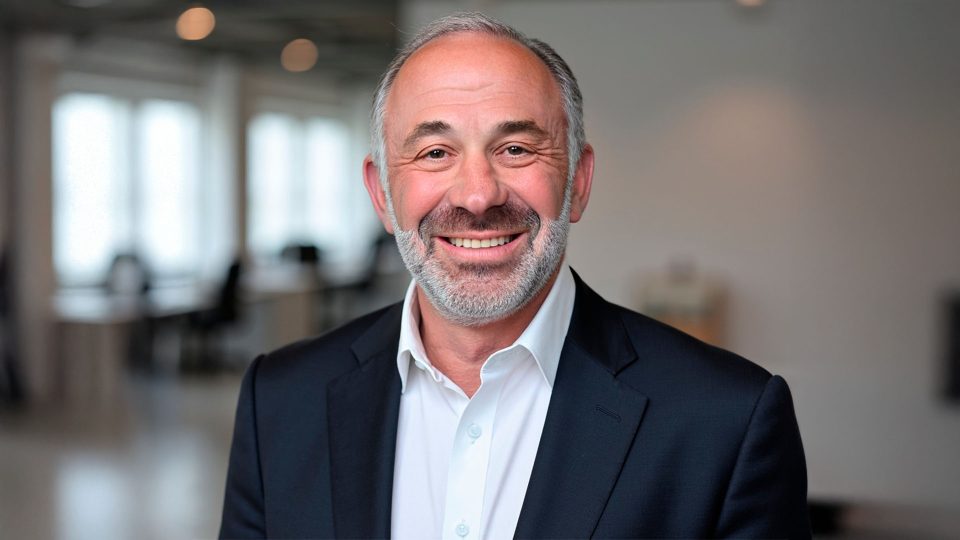
Tejaswi Volety, Senior Security Architect with over 16 years of experience protecting global platforms and more than 140 million users, has spent his career closing that gap. “Your technical expertise is your foundation,” Volety says. “But it is your business fluency that will define your impact as a leader.”
Executives Do Not Make Decisions Based on Threat Vectors
Common vulnerabilities and exposures (CVEs) and attack surface metrics mean nothing to a chief financial officer (CFO) weighing competing budget priorities. Executives make decisions based on revenue, reputation, and regulatory exposure, and security leaders who present in technical language are asking the wrong audience to do the translation work themselves. That translation is the security leader’s job.
When Volety led FedRAMP (Federal Risk and Authorization Management Program) authorization and ISO 27001 certification efforts (an international standard for managing information security), he did not walk into leadership conversations with compliance checklists. He walked in with a business case. These certifications unlocked enterprise customer roadmaps and opened regulated markets that would otherwise have been inaccessible. Security became a revenue conversation rather than a risk conversation, and the resources followed accordingly. “That is the translation every security leader must learn to make,” Volety says. The technical work does not change. The framing of its value does, and that framing determines whether leadership acts or nods and moves on.
A Security Strategy That Exists in Isolation Will Always Be Underfunded
A security roadmap disconnected from the company’s strategic direction will always struggle to secure investment, because it asks leadership to fund a program they cannot connect to the outcomes they care about. The security leaders who earn sustained executive trust are those who understand where the business is headed and build their programs around that trajectory.
When Volety implemented Zero Trust across more than 500 hybrid infrastructure assets, it was not positioned as a security initiative. It was positioned as the infrastructure that would allow the business to scale safely into new markets and new customer segments. The security outcome was the same. The executive conversation was entirely different, and it produced a different level of organizational commitment. Alignment with business strategy is not a soft skill. It is the lever that converts security from a defensive function into a growth enabler.
Measure Security in the Language of the Boardroom
Governance frameworks enabling 10 times business growth with zero security debt. Development velocity maintained at 99.2% under full compliance requirements. Over $1.2 million in retained recruiting value generated through deliberate talent development. These are the business metrics that get the attention when budget decisions are made. “If you cannot answer what leadership is getting for their investment in dollars, risk reduction percentages, or growth outcomes,” Volety says, “you will always be fighting for resources.”
The security leaders who stop fighting for resources are the ones who have learned to report in the language their audience uses to make decisions. Technical excellence remains the foundation. Business fluency is what determines whether that excellence translates into organizational impact or gets quietly deprioritized in favor of initiatives that leadership can actually evaluate.
Follow Tejaswi Volety on LinkedIn for more insights on security leadership, executive alignment, and building security programs that drive business growth.