
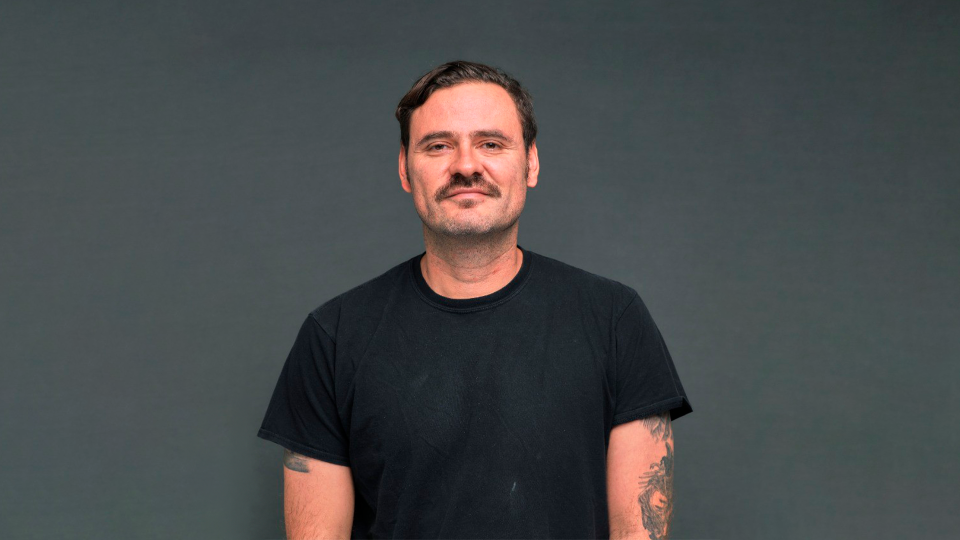





Companies build mentorship programs. They assign pairs, set a cadence, and track completion, and the results are usually thin. Adam Gronski’s account of what made a mentor valuable to him explains the shortfall. His mentors challenged his assumptions and asked the questions he was avoiding, which is not a service anyone performs for a person a spreadsheet assigned them. It requires knowing someone well enough to see what they are dodging and caring enough to make the conversation uncomfortable.
Gronski has spent more than two decades in media leading corporate marketing teams for PBS NewsHour and WETA. “Mentorship isn’t about hierarchy,” he says. “It’s about humanity.” The relationship he describes cannot be installed; it can only be allowed.
Direction Comes First, Confidence Follows
Gronski’s early mentors offered something more durable than instruction. They helped him see direction, opened doors he did not know existed, and pressed him toward defining his own reasons for the work. “Good mentors help you define your why,” he says.
The order matters more than the advice. Clarity produces confidence, not the reverse, which is why encouragement so often fails to land on someone still uncertain about where they are headed. No amount of reassurance substitutes for knowing the destination. Once the direction resolves, confidence tends to arrive on its own, and Gronski describes that moment as the turning point in a professional’s journey.
The Exchange Runs Both Directions
Gronski rejects the assumption that mentorship flows downhill. “One of the biggest misconceptions about mentorship is that it’s one-directional,” he says. “Mentor teaches, mentee learns.” His own experience contradicts it, and he is unequivocal that he has learned as much from mentoring others as from being mentored.
Younger professionals see media, technology, and communication in ways a senior leader cannot generate internally at any level of effort. That exchange keeps both parties sharp and adaptable, which in a fast-changing industry outperforms most development activities a company funds. It also explains why authenticity is a practical requirement. An assigned pairing yields polite status updates, while a real one yields the honest view from further down the organization that senior leaders rarely receive.
Culture Built One Relationship at a Time
The strongest organizations treat mentorship as part of their culture, and Gronski has watched what that produces at PBS and WETA, where it turned colleagues into allies and separate departments into connected networks. The distinction worth holding onto is that this culture is the accumulated result of relationships allowed to form rather than a program installed from above. Leaders who invest real attention in developing others strengthen teams, improve retention, and deepen trust, and people supported in their growth work with more purpose.
Gronski frames the obligation simply, as taking the wins and the lessons a career has produced and using them to lift someone else higher. His closing instruction has the advantage of being immediately actionable. If you have had a mentor, pay it forward. If you need one, go find one. To learn more about building mentorship into your team’s culture, connect with Adam Gronski on LinkedIn.