
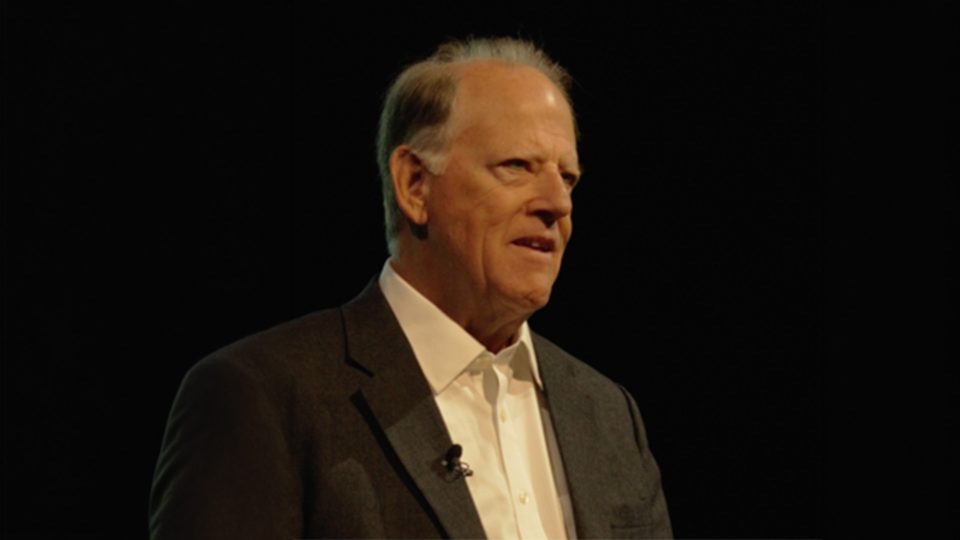
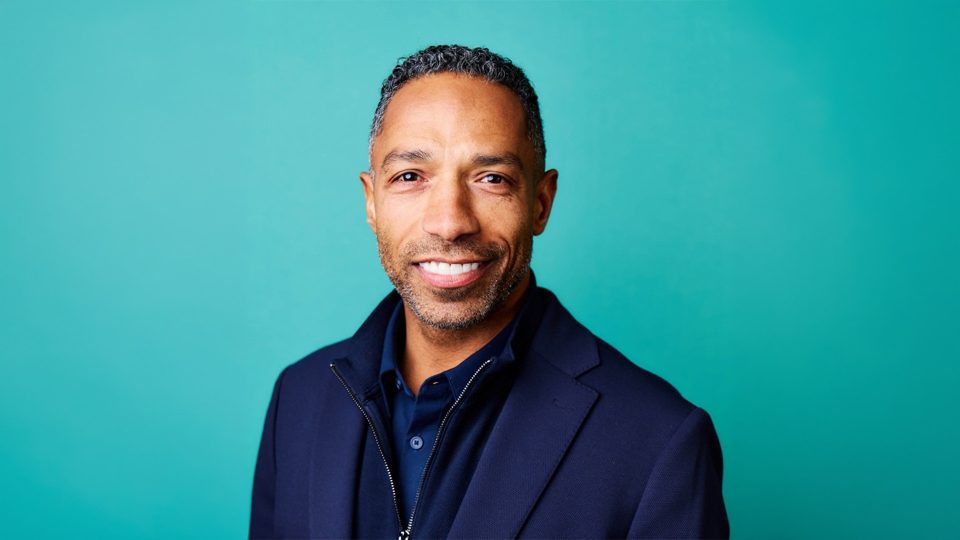




Enterprise reputation is no longer built solely by the company brand. Before a first meeting – a sales conversation, or any formal engagement – customers, investors, partners, and even prospective employees are researching the leadership behind the business. They are looking at search results, artificial intelligence (AI)-generated summaries, LinkedIn profiles, media coverage, and public content. They are forming conclusions about the organization based on what they find. Miguel Heinonen, CEO of Whitefriar, has spent his career building and scaling technology companies across the United States and Europe. “If leadership does not shape the narrative,” Heinonen warns, “the market will shape it for them.”
Trust Is Built Before the First Conversation
Buyers in enterprise and business-to-business (B2B) environments are not simply evaluating a product or service. They are evaluating the people leading the organization long before any formal interaction occurs. The questions they are asking are not abstract: Who is running the company? What do they stand for? Are they credible? Do they communicate clearly? Does the leader project a culture that matches what we want in a long-term partner?
The executive’s digital presence has become the company’s first impression. With AI-driven search tools now synthesizing and surfacing leadership information in seconds, what appears online when someone searches an executive’s name directly influences perceptions of credibility and company strength. Heinonen’s observation, based on working with organizations globally, is that this dynamic has accelerated. Executives who consistently share insights, thought leadership, and industry expertise create transparency that signals stability and competence, not just for themselves but for the organization they represent.
Market Perception Mirrors Executive Presence
Market perception is rarely shaped by advertising alone. Executive presence plays a defining role in how companies are perceived by customers, investors, media, and enterprise buyers. When leadership is visible online, actively communicates, and contributes to industry conversations, the company is viewed as more credible and established. Little to no public presence, on the other hand, creates uncertainty. People naturally associate the strength of leadership with the strength of the business. Heinonen recommends that leaders take ownership of their digital presence instead of leaving their reputation to chance. That means controlling what appears in search results, maintaining a strong and consistent LinkedIn presence, participating in interviews and podcasts, and sharing expertise regularly within the industry.
It also means ensuring consistency across every platform and becoming an active participant in industry conversations, rather than a passive observer. Speak at conferences, publish thought leadership, and engage in discussions that position both the executive and the organization as market leaders. If leadership does not actively occupy that space, the market will fill it with whatever narrative is available.
Consistency Builds Authority. Virality Does Not
The most pervasive misconception Heinonen encounters is that executive visibility requires going viral, being everywhere, or producing content at an unsustainable pace. None of that is true. What actually builds authority is consistency: showing up regularly, communicating clearly, and doing so over time with a message that remains coherent wherever it is encountered. “Consistency compounds into credibility,” Heinonen observes. “Inconsistency creates uncertainty.” Passive executives leave their narrative to chance. Active ones build it intentionally, and in an environment where AI-driven research tools surface leadership information instantly, the gap between those two positions widens with every passing quarter.
Executive visibility is no longer optional for growth-focused organizations. It has become a critical component of enterprise reputation, brand trust, and long-term market positioning. The leaders who actively shape their public presence are the same leaders who shape industry conversations, attract the right opportunities, and build businesses that endure.
Follow Miguel Heinonen on LinkedIn or visit Whitefriar for more insights on executive visibility, online reputation strategy, and building the leadership presence that shapes enterprise perception.