
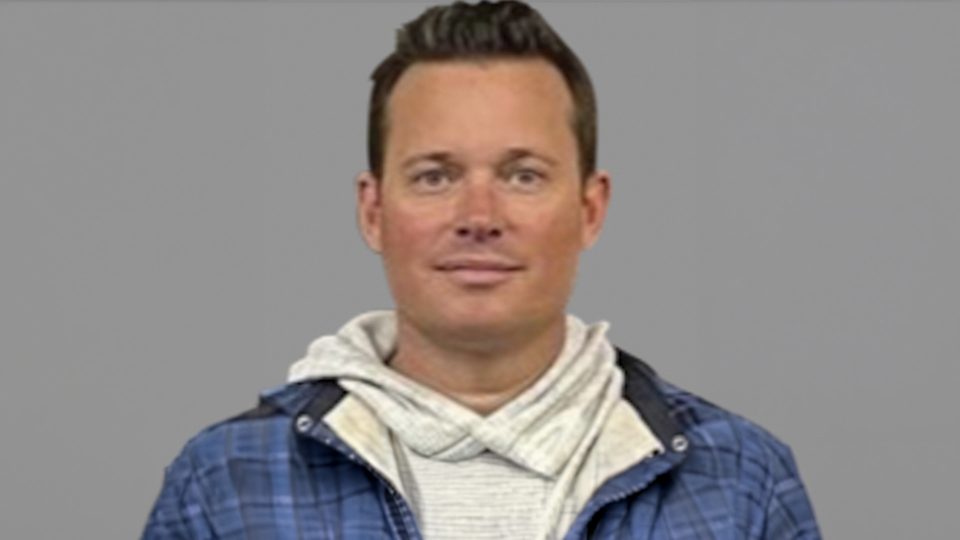





The EOTech holographic weapon sight (HWS) that helped take down Osama bin Laden did not reach 80% of US law enforcement and military by accident. It got there because someone understood that brilliant technology and commercial success are entirely different problems, and solved both. Delta Force operators were buying it on their own credit cards before Keith A. Blakely acquired the technology and built the commercial system that turned a remarkable product into a dominant market position. That trajectory is the one Blakely has spent four decades learning to replicate.
As Chief Executive Officer (CEO) of The InVentures Group, working across advanced materials, nanotechnology, energy, and consumer products, including work on the Chernobyl disaster response, his core conviction about what separates great science from scalable ventures is built on exactly that kind of hard experience. “Science creates the opportunity,” Blakely states. “But business discipline is what captures the value.”
Science Tells You What Is Possible. Business Determines What Is Viable
The graveyard of great science that never became a business is enormous and growing. The problem is rarely the technology. It is the failure to ask commercial questions early enough: Who is the actual buyer, not just the user? What problem are they already paying to solve? What performance improvement actually changes their behavior? What does success look like in dollars rather than data?
When science is paired with clear commercial logic from the beginning, it stops being an experiment and starts becoming an asset. That shift in framing changes which questions are asked, which milestones are set, and which decisions are made at every stage of development. Scientists who naturally bridge this gap are rare. The organizations that build the bridge deliberately are the ones that turn laboratory breakthroughs into businesses that last.
Scale Must Be Designed. It Will Not Figure Itself Out
The assumption that scalability can be deferred, built later once the technology is proven, is one of the most expensive beliefs in deep tech. Scale does not figure itself out. It has to be engineered from the start: manufacturing processes that are repeatable, supply chains that are resilient, cost structures that improve with volume, and products that can be supported in the real world by people who are not the inventors. “A prototype proves feasibility,” Blakely reflects. “Scale proves relevance.”
A technology that only works in perfect conditions with perfect people is not a business. It is a demonstration. The ventures that reach market leadership are the ones that design for operational reality from the beginning, and that design discipline is often the difference between a company that scales and one that becomes a case study in what went wrong between the lab and the market.
The Right Partnerships Turn Years Into Months
Strategic partnerships accelerate that path when structured correctly. For manufacturers who know how to scale, industry players with established distribution, and investors who bring more than capital, the right partnerships turn years into months and compress both technical and market risk simultaneously. The key is ensuring those partnerships accelerate adoption without giving away the core value that makes the venture worth building in the first place. Science and business together do not just create a product. They create a scalable venture that lasts, and the real breakthrough is making it work at scale.
Follow Keith A. Blakely on LinkedIn for more insights on technology commercialization, advanced materials, and building the science-based ventures that survive and dominate their markets.