



Today, longer and healthier lives are challenging current assumptions on what a “normal” career trajectory looks like, creating what many now describe as the longevity revolution. The model – education, employment, retirement – was built for a very different reality, one in which life expectancy and working lives were significantly shorter. Now, the most underaddressed challenge in modern working is how professionals will continue to find purpose, contribution, and growth across those additional decades.
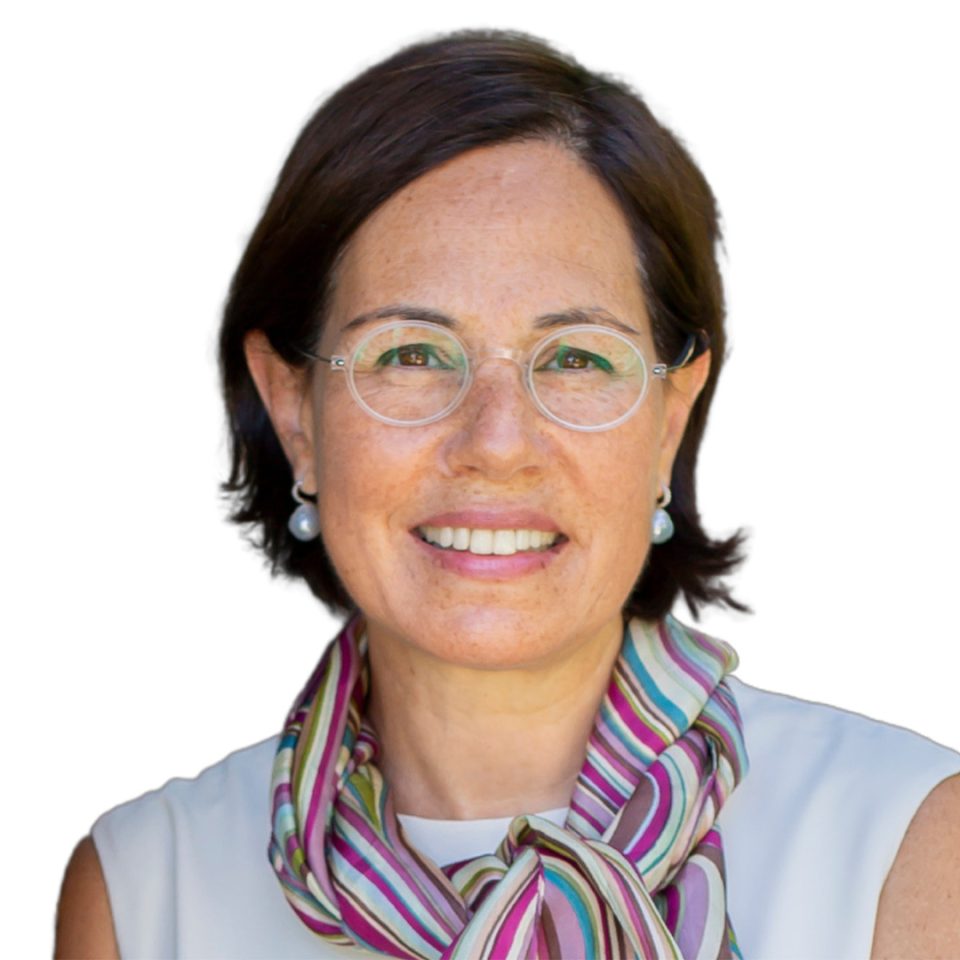
“Most of us built our lives on a single script designed for much shorter lives, school, career, retirement,” says Galya Frayman Molinas, Co-Founder of the What’s Next Initiative, non-executive director, and educator. “But we’re living longer and staying more active for longer. The old map no longer matches the territory.” As workforce longevity increases, the expectation that individuals will remain on a single professional path for 40 or 50 years is becoming increasingly unrealistic. Instead, career longevity may depend on the ability to evolve, adapt, and intentionally redesign what comes next.
The Career Dimension of Longevity
“Longevity is not only a health or financial question. It’s also a work and identity question. Ultimately, it’s a question about how we want to live.” The future of work in a longevity economy will require new career models that recognize multiple chapters rather than a single linear progression. Many professionals can expect to remain active well into their seventies and beyond, making career transitions a normal feature of working life rather than an exception. Businesses focused on sustainable value and responsible business practices are increasingly recognizing the importance of supporting workforce longevity through flexible career pathways, continuous learning, and leadership development across different life stages.
Why Midlife Reinvention Requires a Different Mindset
One of the biggest misconceptions surrounding executive reinvention is the belief that the next step must be “identified and pursued immediately.” Senior leadership roles often reward traits like decisiveness and action, but navigating intentional career transitions in midlife requires a different set of skills. “Transitions are often approached too quickly,” says Molinas. “Senior careers reward decisiveness, but transitions reward something else. Pause, stillness, honest reflection.”
For professionals considering midlife reinvention, the instinct to immediately fill uncertainty with activity can be counterproductive. The more valuable work often happens before any formal decision is made. Questions such as: “What still energizes you?”, “What have you outgrown?” and “What do you actually want to build now?” become essential. These reflections create the foundation for sustainable career decisions rather than reactive ones. “The pause is not lost time,” Molinas says. “It’s where the next chapter quietly takes shape.” As career transitions become more common, the ability to step back and evaluate personal priorities may become one of the defining capabilities of successful long-term careers.
Building a Resilient Career for Longevity
If longer lives demand new career models, they also require new support systems. One recurring theme in Molinas’ work is that meaningful reinvention comes from community. Successful transitions are supported by peers, mentors, advisors, and trusted networks, all of whom play a crucial role in helping individuals navigate uncertainty for the best outcome. “No one rebuilds a path alone,” she says. “The people who move into their next chapter well are almost never doing it in isolation.” This is particularly relevant for senior leaders who may have spent decades in highly structured corporate environments before considering a different path.
Whether moving into governance roles, portfolio careers, entrepreneurship, education, or nonprofit leadership, executives who successfully navigate career longevity often benefit from conversations with others who have already made similar transitions. This principle sits at the heart of the What’s Next Initiative, which was created to make these transitions more visible and intentional.
Governance, Leadership, and Long-Term Value Creation
The implications extend beyond individual careers. Organizations must also adapt to a workforce that no longer follows predictable career patterns. Molinas sees growing connections between governance for long-term value creation and the realities of workforce longevity. Companies that embrace diverse career pathways, retain experienced talent, and support purposeful transitions may be better positioned to create resilient and responsible business models.
“A longer life is an invitation, not a deadline,” says Molinas. “And approached with honesty, patience and intention, it can become a deeply meaningful chapter.” As the longevity revolution continues to reshape careers, the most valuable skill may not be climbing a single ladder, but learning how to thoughtfully build the next one.
Follow Galya Frayman Molinas on LinkedIn or visit her website for more insights.