




An organization can hit every key performance indicator (KPI), meet deadlines, and generate strong results while simultaneously weakening its future leadership pipeline. Strong organizational performance may reflect where a company stands today, but leadership development determines where it will be tomorrow.
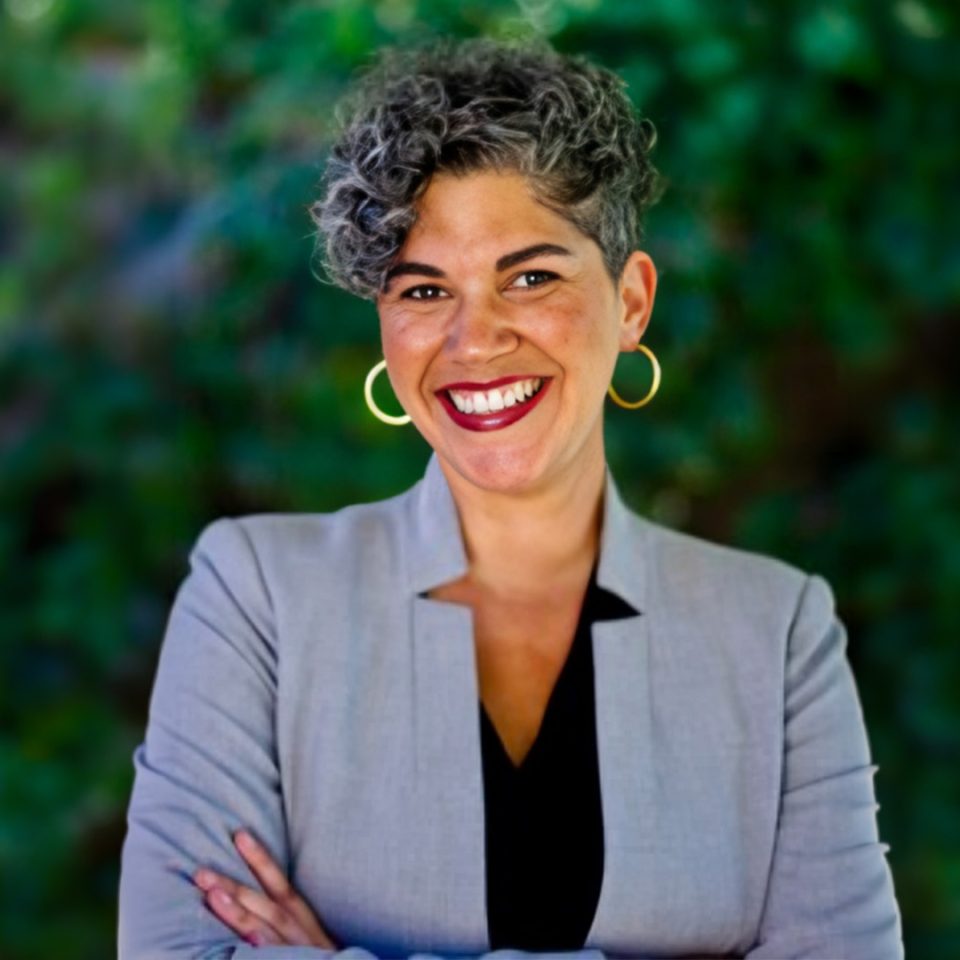
While many organizations focus heavily on performance metrics, Sarah M. Tinsley, Chief Operating and People Officer at Curtis School, argues that sustainable success depends on developing leaders. “The first sign that I notice is that everybody is focused on delivering today’s results,” says Tinsley. “But there is very little attention being paid to building tomorrow’s leaders.”
When Performance Masks Leadership Gaps
One of the most common leadership blind spots is assuming that strong performance systems automatically create strong leaders. “It is easy to mistake evaluation for development,” she says. Performance reviews typically measure past outcomes. They assess completed projects, achieved goals, and whether expectations were met. Leadership development, however, focuses on future capability rather than historical achievement.
“A performance review asks, ‘How did I do?’ But a development conversation says, ‘What are you capable of becoming?'” Organizations that prioritize only performance management often create teams that excel at execution but struggle with succession planning, adaptability, and long-term growth. When key leaders leave and there is no clear successor ready to step forward, the cost of neglecting leadership development becomes impossible to ignore.
Building Accountable Leadership Teams Through Development
Developing leaders requires creating opportunities for people to stretch beyond their current responsibilities. Coaching, exposure to new challenges, cross-functional experiences, and stretch assignments all play an essential role. Equally important is allowing employees to encounter difficulty and uncertainty rather than protecting them from it.
“Development really requires something very different than what a performance evaluation is doing,” says Tinsley. “The struggle is what makes people grow.” This approach strengthens leadership accountability while improving organizational resilience. Leaders are not developed by repeatedly executing familiar tasks but by navigating unfamiliar situations.
For organizations seeking stronger workforce strategy and leadership effectiveness, development cannot be treated as an optional activity that happens when workloads decrease. It must become a core management responsibility. Organizations that excel at people operations for mission-driven institutions recognize this reality and intentionally create space for managers to grow talent.
The Shift From Control to Leadership
Many high-performing employees are promoted because they consistently produce results. However, the very habits that made them successful individual contributors can limit their effectiveness as leaders. “I think you have to let go of control to be a great leader,” says Tinsley. The challenge is especially pronounced in environments where managers feel pressure to deliver immediate outcomes. Building accountable leadership teams, however, requires leaders who empower others to think, act, and solve problems independently.
Future-ready leaders understand their approach is not the only path to success. They focus on outcomes while allowing flexibility in how those outcomes are achieved. “Your way works, and it’s probably why you’re a leader in the organization, but it’s not the only way to get to the results.”
Culture Alignment Determines Long-Term Success
Many organizations invest heavily in strategy while overlooking the leadership behaviors required to execute it. It’s a disconnect that helps explain why organizations fail at culture alignment despite having clear objectives. “Leadership is not about creating leaders who have all the answers,” she says. “It’s about creating leaders who never stop learning and growing.” That perspective has significant implications for executive advisory work, workforce strategy, and mission-driven leadership.
Organizations that focus solely on short-term performance often remain trapped in reactive problem-solving. Those that invest in strengthening leadership in complex organizations create sustainable performance over time. Ultimately, how to build a people strategy comes down to understanding that people are the most important asset an organization has.
Follow Sarah M. Tinsley on LinkedIn for more insights.