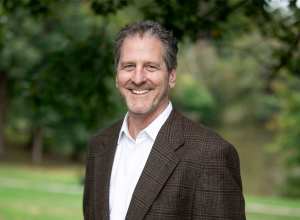




Executive teams tend to review their workplace culture only once a year, relying on posters, slogans, and annual surveys to gauge how their workforce feels. Across three decades leading global talent operations at Fortune 50 scale, Mark Krajnik has watched that hands-off approach fall short across organizations of every size. In his work advising C-suite leaders on how to attract, retain, and develop high performers, he treats organizational health as an active daily decision rather than an annual review item. Every single day, employees make their own conscious decision about whether to show up fully engaged or simply go through the motions.
Designing the Daily Employee Experience
Too often, corporate values remain confined to slide decks and wall graphics instead of reaching frontline operations. For culture to take root across an organization, it has to show up in the routine exchanges between managers and their teams. “Culture lives in the daily interactions between leaders and teams,” Krajnik explains. “It’s in the one-on-ones where people feel heard. It’s in the feedback that’s specific and developmental. It’s in the recognition that feels earned, not obligatory.”
When individual meetings turn into routine administrative check-ins, employees quickly spot the disconnect between corporate messaging and workplace reality. Providing clear, growth-focused feedback gives team members an accurate understanding of where they stand and how they can improve. Regular recognition for specific contributions reinforces positive performance far better than generalized year-end awards. “When leaders are intentional about those interactions, people experience culture as real,” Krajnik says. “They choose to stay.”
Building Psychological Safety through Leadership Behavior
Creating an environment where employees feel secure enough to speak up and innovate presents another ongoing challenge for executive teams. Without psychological safety, team members often hold back fresh ideas, avoid difficult conversations, and hide operational mistakes. “People choose cultures where they feel safe to contribute, take risks, and be themselves,” Krajnik notes. “That safety comes from leadership consistency.” Building that consistency requires managers to follow through on their commitments and demonstrate the behaviors they demand from others. When executives admit their own errors and welcome constructive critique, they remove the fear of retribution that stifles productivity. “When leaders model vulnerability, admit mistakes, and hold themselves to the same accountability they expect from their teams, culture shifts,” Krajnik explains. “Trust compounds. Engagement deepens.”
Creating Career Clarity to Drive Long-Term Retention
Even a positive team environment will lose its strongest contributors if career progression remains opaque or out of reach. When ambitious professionals do not see an obvious path for their own advancement, they look for clarity outside the organization. “Ambiguity drives attrition. Clarity drives commitment,” Krajnik points out. “When people understand the skill paths ahead, the opportunities for growth, and how their contribution connects to organizational success, they invest.” Bridging the gap between individual contribution and broader company objectives helps employees understand how their daily tasks affect the bottom line. By outlining clear development tracks and performance milestones, management teams provide a credible roadmap for long-term career growth. When staff members know their organization is actively investing in their future, their dedication to the business solidifies. As Krajnik explains, “They choose to build their future with you, not somewhere else.”
Treating workplace health as an ongoing business discipline separates resilient companies from organizations with high turnover rates. Rather than treating company culture as a human resources task to finish and forget, executives must reinforce core standards with every operational decision they make. “Culture isn’t something you build and check the box on,” Krajnik emphasizes. “It’s something your leadership team builds every single day through how you show up.” Whether leading an established multinational or guiding an early-stage company through rapid market expansion, leadership habits set the tone for the entire enterprise. Focusing on intentional daily communication, behavioral accountability, and career visibility allows organizations to build strong, enduring teams. As Krajnik sees it, the executive objective remains clear: “Let’s build a culture worth choosing.”
Follow Mark Krajnik on LinkedIn for more insights on organizational health, talent development, and building high-performing workplace cultures.