
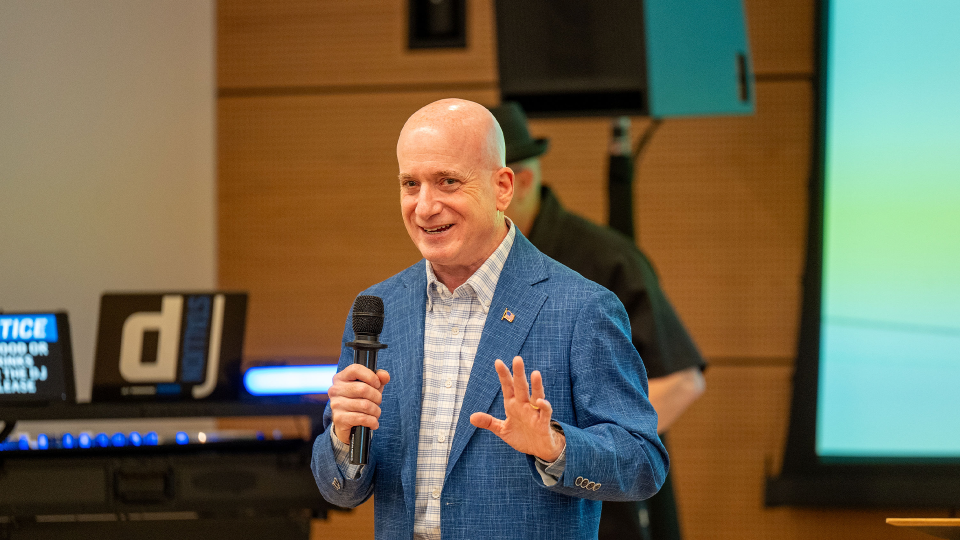





When corporate overhauls fall short of their targets, boards typically point to flawed strategy or poor project management. The root cause is often much more basic, stemming from a simple failure to talk directly with the people doing the daily work. Having guided major transformation programs across firms like HP, EDS, and Cognizant, Vanda Davis has watched this dynamic play out repeatedly over 30 years. In her view, keeping people informed is not a secondary support task but the core engine of execution itself.
Engaging the Entire Workforce
Most change efforts start with plenty of executive alignment, yet they lose traction because the message stays confined to upper management. Davis has guided billion-dollar government delivery operations and cross-company merger integrations, seeing firsthand how easily staff get left behind. “Most organizations get communication and transformation really wrong,” Davis says. “They brief the top 10% of leaders driving change and then wonder why the other 90% isn’t moving.”
Real organizational progress happens through the daily habits and operational tools used across frontline teams. When these workers do not understand the broader context behind a mandate, adoption stalls before it even begins. As Davis points out, “If they don’t understand the why, the what, and how it affects their future, there’s no motivation to move.” Without a clear explanation of how structural changes affect individual jobs, resistance becomes the default reaction across the business. Relying on a single kickoff presentation rarely works when introducing new systems across thousands of people. Information needs to flow downward through regular updates and structured touchpoints that reach every department. When workers grasp how their daily responsibilities connect to the new business model, friction drops quickly. This steady cadence keeps people informed and prevents misinformation from taking root.
Addressing Friction with Direct Honesty
Enterprise change is uncomfortable, and pretending everything is running smoothly tends to backfire quickly. While initial announcements often generate excitement, the day-to-day reality of adjusting workflows can quickly become exhausting. During these rocky periods, leadership teams often get nervous and consider dialing back their plans or pausing altogether. “Transformation isn’t easy,” Davis notes. “It’s pretty hard, and that’s at all levels.”
Glossing over operational pain points damages trust between leadership and the workforce. Frontline staff know when software breaks or processes fail, making overly optimistic updates sound completely disconnected from reality. Davis believes that frank discussions about real obstacles protect employee trust far better than polished corporate talking points. “Lightweight messaging builds cynicism,” Davis explains. “Honest communication builds trust.” Acknowledging project difficulties is not a sign of poor planning but a realistic approach to handling enterprise disruption. By addressing road bumps openly, leaders give their staff permission to voice concerns and fix problems collaboratively. When executives speak plainly about the trade-offs required, employees are far more likely to stay committed to the transition. Honesty bridges the gap between executive expectations and daily execution.
Staying Visible Through the Murky Middle
The hardest part of any company-wide initiative happens midway through the rollout, when early enthusiasm fades and the finish line remains distant. In this phase, productivity frequently dips as teams grapple with new routines, leading to doubt and fatigue. If leadership goes silent while trying to resolve backend bottlenecks, anxiety spreads throughout the workforce. This lack of information quickly drains momentum and makes staff question the entire program.
Rather than stepping back during moments of uncertainty, leaders need to increase their presence and keep everyone informed. Davis stresses that staying quiet during high-stress periods is one of the quickest ways to derail hard-won progress. “That’s when momentum stalls. That’s when people start doubting, getting a bit nervous,” Davis warns. “Double down on communication when it feels uncomfortable. Keep reinforcing the strategy. Progress. What’s next? Silence kills transformation.” Pulling off large enterprise overhauls comes down to keeping lines of dialogue open across the entire business. A strategy mapped out in a boardroom only succeeds if the people operating on the ground carry it forward each day. Treating dialogue as an ongoing priority gives teams the direction they need to navigate difficult transitions. As Davis makes clear, communication cannot be separated from delivery because it is the very mechanism that drives it.
Follow Vanda Davis on LinkedIn for more insights on enterprise transformation, leadership communication, and driving organizational change.