




For years, retail leaders heard the same forecast: stores would keep fading as shoppers moved online. Then look at Starbucks. After a decade of pulling out tables, killing outlets, and pushing customers toward mobile pickup and the drive-thru, the company is now reversing course, putting seating back into its cafés and reclaiming the “third place” that built the brand. Why the reversal? Because people are craving interaction, and a transactional coffee run wasn’t giving it to them.
That instinct is showing up across retail. The brands holding up best aren’t choosing between digital and physical. They’re operating stores that customers have a reason to come back to.
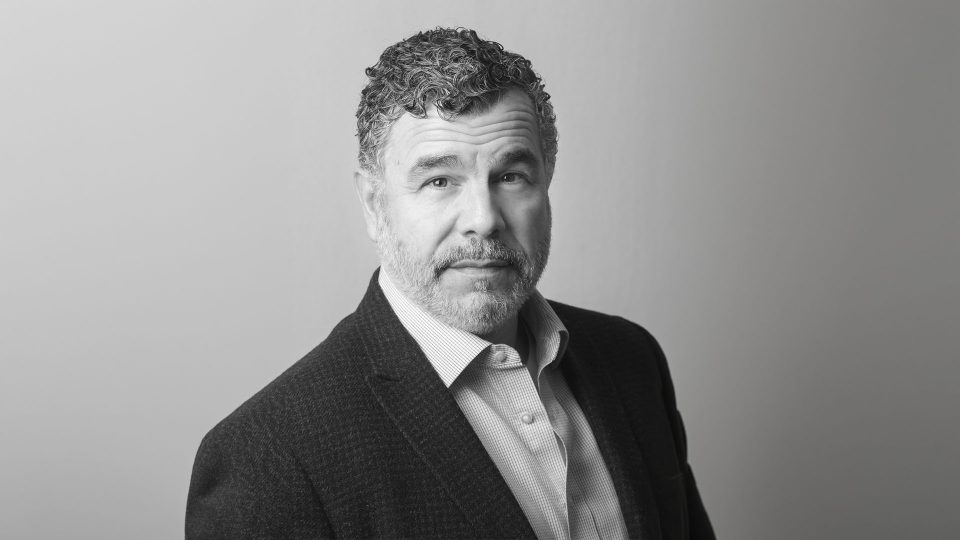
“The key transformation is figuring out how to merchandise for engagement, and how to build an environment oriented around a guided, personalized experience,” says David Riordan Wood, CEO of Human Touch and Relax The Back. Over four decades leading consumer, retail, and wellness businesses, Wood has worked through growth, channel disruption, acquisition integration, and shifting markets. His view: stores must stop being transactional spaces and become destinations built around engagement.
Experience Is the Differentiator
E-commerce reset what customers expect, but it didn’t kill the desire for human connection. More shoppers, starved for interaction, are looking for it. The common misread of channel disruption, Wood argues, is assuming physical retail is headed toward becoming a glorified fulfillment center. What he sees instead is demand, including from younger buyers, for engagement, interaction, and experience a screen can’t deliver.
And it isn’t just older shoppers driving this. The generation everyone assumed would live entirely online is increasingly seeking out physical retail. Even Gen Z, the truest digital natives, are walking into stores on purpose, chasing the tactile, social, immersive experience they can’t get on a phone.
He draws on Joseph Pine and James Gilmore’s The Experience Economy: the most value gets created when a business moves past selling products and starts delivering experiences worth remembering. In wellness and specialty retail, that’s the whole game. Customers aren’t just buying a product. They’re after comfort, recovery, relaxation, a better quality of life.
The SUPER Framework
Wood organizes his approach to experiential retail around an acronym: SUPER.
Surprising — every visit should create a moment that makes a customer say “Wow.”
Unique — something they can’t get anywhere else.
Personalized — tailored to the individual’s needs, preferences, and goals.
Engaged — real human interaction, guiding customers through discovery rather than leaving them on their own.
Repeatable — delivered consistently across every location and team.
“You can’t do this ad hoc,” Wood says. “You have to build it into a system you can run over and over again.”
Digital Should Enable the Store, Not Replace It
Wood pushes back on the idea that omnichannel just means connecting online and offline. “The digital experience should be working to enable the in-store experience, not replace it.
Customers walk in already informed. They’ve researched, compared, and often picked a likely solution before they talk to anyone. What they can’t get online is the sensory and emotional side: the feel of premium materials, testing a product firsthand, sitting through a real demonstration. That’s what turns information into confidence, and it’s what the store provides. CRM and clientele tools, and increasingly AI, keep the relationship going across visits, but the in-store moment is where it’s won.
Why Human Engagement Becomes the Edge
AI will sharpen personalization and tie digital insight to in-store interaction. It won’t manufacture the experience. “Premium retail has to deliver on more than a good-looking store,” Wood says. “You need incredible people to deliver the experience.” That’s the part technology can’t shortcut.
And that, in Wood’s view, is exactly where the next decade gets decided. As more of commerce flattens into screens and algorithms, the human side of retail gets scarcer, and scarcity is where advantage lives. “More than at any point in the last 25 years, human engagement done well will be a real competitive edge,” Wood says. “It’s the one thing a competitor can’t copy with a better app or a faster checkout.” The brands that win won’t be the ones that retreat from physical retail. They’ll be the ones that staff it, design it, and run it as their sharpest advantage.
Follow David Riordan Wood on LinkedIn or visit his website for more on retail transformation, customer experience, and destination-driven retail.