





Most Corporate Transformations Don’t Fail. They Dissolve.
Not with a collapse. Not with a public reckoning. With green dashboards, completed milestones, and a quiet, shared awareness that the only thing that changed was more steps in existing processes.
The people executing the initiative are also fighting the fires that keep the business running. Leadership is receiving the updates it asked for. Somewhere between the strategy deck and reality, the innovation broke down. Nobody saw it. Everyone kept moving.
The Most Expensive Assumption in Business
The mental model behind most transformation efforts is linear. Find the right levers. Pull them in sequence. Watch the system improve.
It is clean. It is logical. And evidence shows that it is consistently wrong.
Organizations are not machines. They have a structural drive to protect the stability that keeps them functioning. Transformation initiatives don’t encounter resistance by accident. They collide with something that is used to adapt under pressure to stay intact.
Activity looks like progress. Tasks completed. Milestones checked. In the background, the same people are managing client escalations, unplanned demands, and urgent priorities that arrive with no regard for the transformation timeline.
The dashboard isn’t lying. It’s just measuring the wrong thing. It tracks whether tasks are finished, not whether anything is actually different. That gap is where breakthroughs vanish.
The Question Nobody Asks First
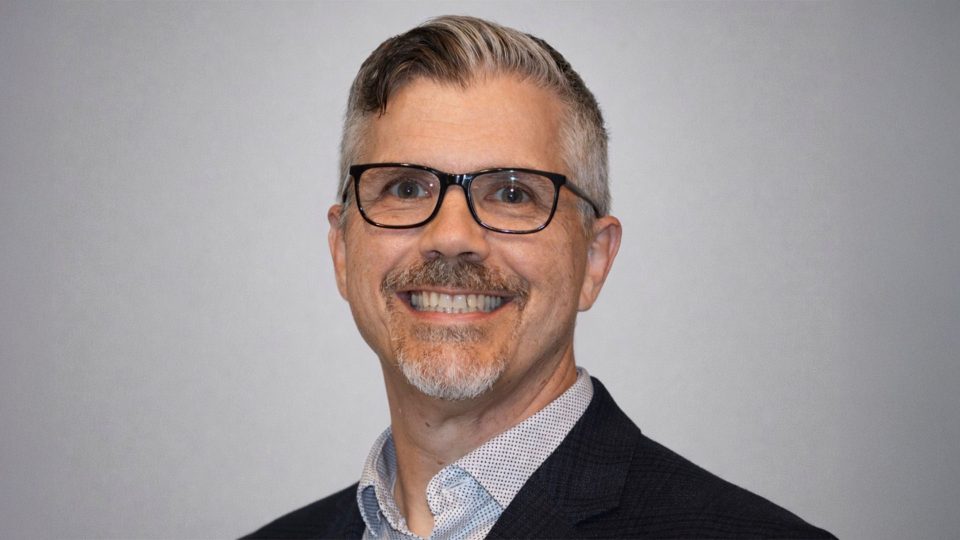
What if the organization doesn’t actually obey anyone?” Hoffmann challenges. “We’ve been taught that authority equals control, like operating a machine. But organizations don’t work that way.” Every transformation he turned around started with the same assumption: we will create new ways of working that don’t jeopardize anyone’s direct deposit or bonus. Ask yourself how often real change actually feels that way. How often does actual change not feel risky? You can’t wait for a sustained window of calm across the enterprise for a major initiative to take root, build momentum, and become durable. You have to create that environment for it.
Business as usual does not calm down on a schedule that accommodates transformation. It shifts. It escalates. It continuously generates something more immediately pressing. Every initiative competes with something that feels more urgent today.
The leaders who break through are not the ones who find that window. They are the ones who stop waiting for it.
They face the harder question: how do you change an organization that keeps changing while you are trying to change it? That reframe replaces the machine model with something more honest. Transformation happens inside adaptive complexity. Not after resolving it.
Breakthroughs belong to the leaders willing to work with that reality.
Follow Roland U. Hoffmann on LinkedIn for more insights on enterprise transformation, execution strategy, and leading organizations through the complexity that separates good leaders from breakthrough ones.