



Most brokerages compete on lead flow. It is the clearest promise a broker-owner can make to an agent, and in a strong market it works well. The weakness only shows itself when volume contracts, because a brokerage built entirely on supplying leads has an offer that shrinks exactly as fast as the market does. The support falls away at the moment agents need it most.
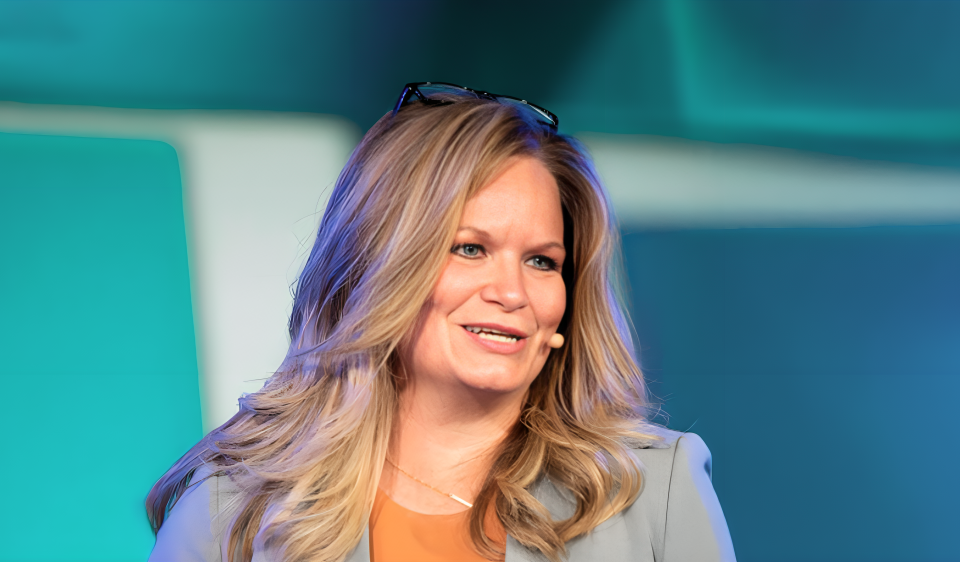
Lori Muller, president of Fathom Realty, has spent more than 30 years moving from agent to broker-owner to national executive, and she puts the question to team leaders directly. “Are you offering your agents more than leads?” Resilient organizations, according to her, do not simply react to change. They prepare for it, and the preparation must happen while nothing appears to require it.
Culture Gets Built Before the Pressure Arrives
A strong market pays a well-run brokerage and a poorly run one at similar rates. Volume covers the gaps in systems, communication, and team culture. Pressure makes the same cracks impossible to ignore. Muller notes how easy those weaknesses are to overlook while the numbers hold.
The timing problem is difficult. An organization has the capacity to invest in leadership development, mentorship, clear communication, shared values, and reliable systems during the period when nothing signals the need, and it loses that capacity precisely when the signal arrives. Fathom Realty’s people-first culture, grounded in service, collaboration, and support, exists to keep agents focused when the environment around them turns uncertain. Building it mid-downturn would be a considerably harder project.
A Value Proposition That Moves Independently of the Market
What worked two years ago may not produce the same results now, and Muller treats willingness to evolve as the core of resilience. That can mean expanding knowledge, improving the client experience, investing in technology, developing new lead generation strategies, or opening additional income and wealth-building opportunities.
For a team leader, the question sharpens considerably. An agent who receives only leads has a relationship with the brokerage that weakens as transaction volume falls. An agent whose brokerage helped them develop stronger skills, grow as a leader, and build a sustainable business holds something that appreciates in a hard market. Muller locates resilience in adaptability, innovation, and the willingness to keep growing, all of which describe an offer that does not depend on conditions staying favorable.
Relationships Hold When Transactions Do Not
A market shift pulls attention toward production, transactions, and numbers, and Muller pushes the other way. Real estate always has been and always will be a relationship-based business. The strongest agents and teams double down on connection even when the numbers argue against it. They check in with clients, listen to their communities, support one another, and lead with empathy. Muller’s reasoning is unsentimental about what people retain.
“People may not remember every strategy you use,” she says, “but they will always remember how you made them feel, especially during a difficult or uncertain time.” The client who felt supported through an uncertain stretch is the client who returns and refers.
An organization that competes only on lead flow has tied its value to the one variable it cannot control. Culture, capability, and relationships all appreciate under pressure rather than evaporating with it. As Muller puts it, market shifts do not define a business. The response to them does. To learn more about building resilient real estate organizations, connect with Lori Muller on LinkedIn.