





The professional most people associate with their taxes arrives after the outcome is already fixed. An accountant sits down in April with a year that closed in December, and every decision capable of changing the number has been made. The best accountants are exceptionally accurate about the past, but none of them can edit it.
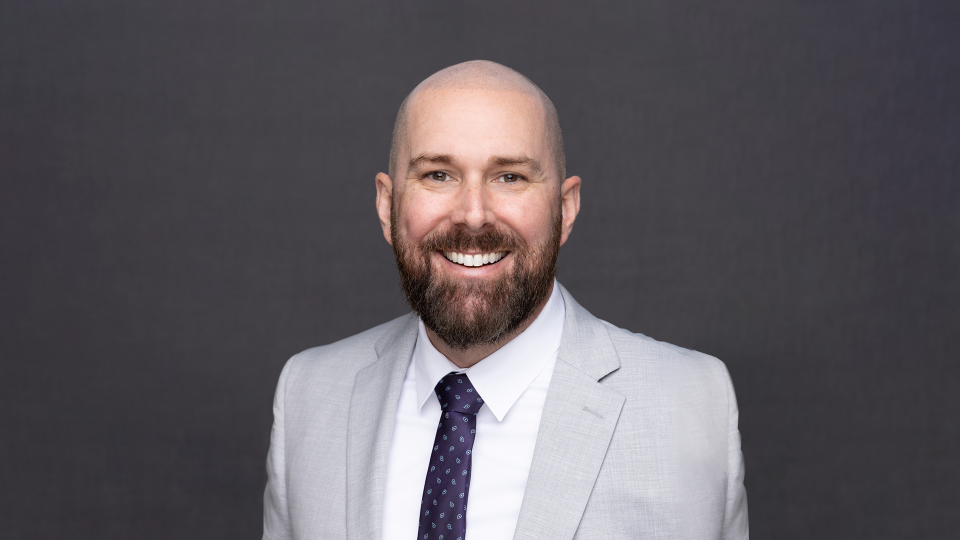
David Michael Mares, retirement income specialist and founder of Socius Wealth Management, has spent more than 20 years working with executives, business owners, and high earners who have never had anyone in the room during the months when the number was still moving. “Paying taxes is not the problem,” he says. “Paying more taxes than you have to is.” The difference between those two amounts is decided long before anyone opens a return, in a window most people do not know they are standing in.
Timing Is a Lever That Only Exists in Advance
Mares finds that clients experience taxes as an outcome, a figure produced by income they already earned. The same lifetime earnings can generate meaningfully different tax bills depending on when the money moves, and that variable is available only to someone watching the calendar ahead of it.
He points to conversions made during a lower income year, distributions sequenced deliberately, and planning built around a business exit. “These are not loopholes,” Mares says. “These are just good planning.” What separates the people who use these levers from the people who do not is whether anyone was looking forward on their behalf, while the opportunity was still open.
The Third Bucket Nobody Fills by Accident
Mares describes retirement savings as three buckets. One is taxed now, one is taxed later, and one is never taxed at all. Most high earners have accumulated the first two and hold nothing in the third. The imbalance is a design outcome rather than an oversight. Payroll systems, employer plans, and standard rollovers all move money into the taxed-later bucket automatically, and no part of that machinery has ever routed a single dollar toward tax-free treatment. Filling the third bucket takes deliberate action, years in advance, and Mares is specific about what that action buys.
A tax-free source available in retirement means choosing where to draw income in any given year rather than accepting whatever the account structure dictates. He treats that flexibility as the real asset. A retiree with options can respond to a tax law change, but a retiree without them can only absorb it.
Two Professionals, Two Calendars, One Missing Conversation
The costliest pattern Mares encounters is structural. A client meets their accountant in April and their advisor in January, both professionals perform their work well, and the two conversations never touch. The decisions that determine a lifetime tax bill fall into the gap between those meetings. Mares runs tax strategy and wealth strategy as a single strategy rather than two disciplines that occasionally compare notes. “That is when you stop reacting and start winning,” he says. Reacting describes what happens in April, when the year is sealed, and the only remaining work is reporting it accurately.
Every year contains a stretch of months when the number is still editable, and every year that stretch expires on December 31st. Mares built his practice around the observation that most people have never had anyone present during those months, and that the amount they overpay is not a measure of what they earned but of who was in the room while it mattered. The years ahead are the only ones still open for revision. To learn more, connect with David Michael Mares on LinkedIn.