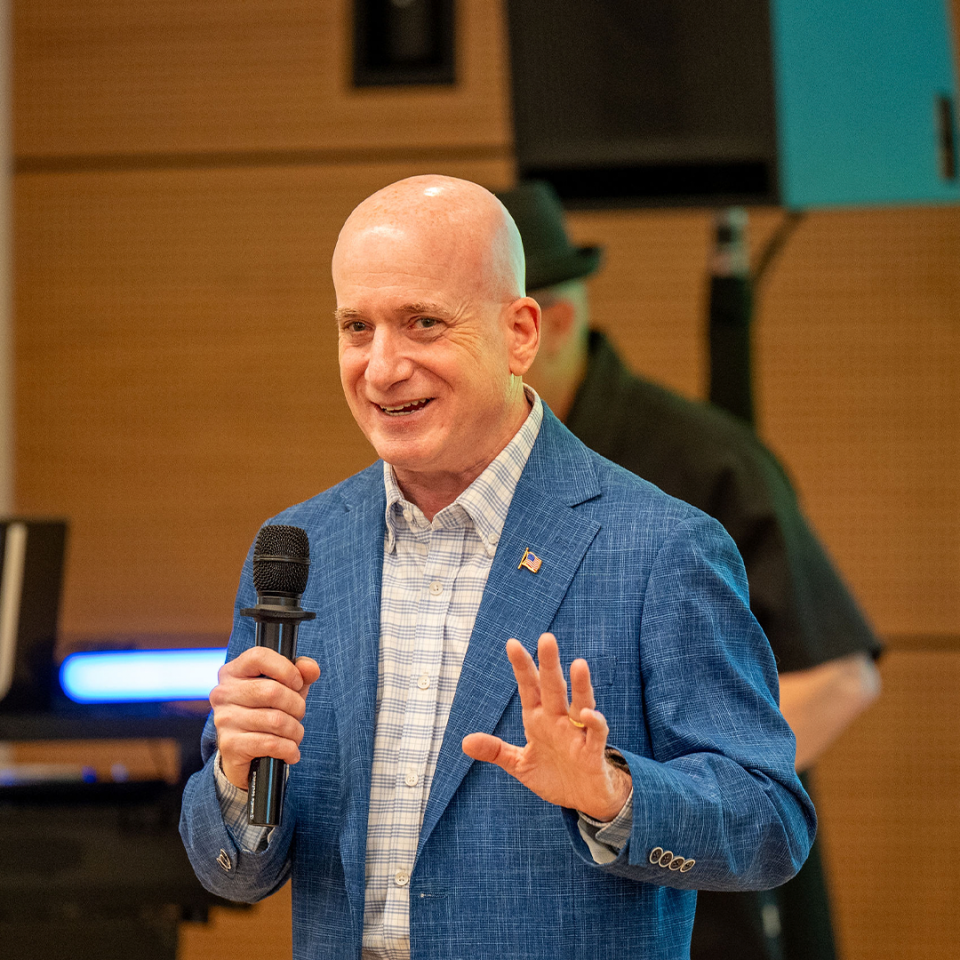





Finding skilled staff is rarely the hardest part of managing modern organizations. What often derails performance is how companies treat staff development once those people are through the door. At Unitek Learning, Scott Tierno, Senior Director of the Leadership Academy and Events, sees this gap playing out nationally. Rather than cycling staff through generic compliance modules, his work and that of his colleagues focus on building practical learning systems that solve everyday operational headaches.
Tailoring Support to Real Workload Pressures
Under pressure to keep up with daily administrative duties, staff and department heads often end up handling teams without any dedicated management training. When organizations ignore that reality, they risk burning out the exact workers they rely on to maintain standards. Tierno points out that the core issue is structural: “The biggest challenge isn’t finding talented people. It’s giving them the tools and experiences they need to thrive and lead.”
Without clear systems to guide them, team members spend valuable time guessing how to solve management bottlenecks. That lack of clear guidance leads directly to lower morale and higher turnover rates in key departments. “Professionals are often stretched thin, managing multiple responsibilities with limited development support,” notes Tierno. “That’s where intentional, innovative learning programs make all the difference.”
Moving Away From Generic Training Modules
Standard corporate seminars tend to fall flat because they ignore the real complexities of running an organization. Having led training initiatives across multiple schools, Tierno focuses on practical execution rather than academic theory. “I have spent over 30 years developing transformative leadership and training programs that empower professionals across educational institutions,” he explains. “My focus is on designing strategic learning experiences that build capability, foster collaboration, and create lasting impact within organizations.”
To make training stick, instructional designers have to listen to the specific problems that teams run into during their working weeks. At Unitek Learning, programs are structured around real operational roles rather than abstract concepts. As Tierno explains: “Through our faculty apprentice program, for example, and leadership courses, we’ve learned that one-size-fits-all training doesn’t work. We tailor programs to address the specific challenges that professionals face, whether it’s managing complex events, leading cross-functional teams, or developing emerging leaders.”
Combining Technology With Hands-On Mentorship
Passive learning formats, such as mandatory click-through videos, rarely change how people work with their teams. Staff members tune out quickly when training feels like a box-checking exercise disconnected from their daily reality. For development to take hold, workers need active participation and regular feedback from experienced colleagues. Coupling digital tools with direct peer conversations creates an environment where people stay invested in their own growth.
This hands-on approach helps emerging leaders work through complex personnel issues before they become institutional problems. In Tierno’s view, “Engaging learning experiences drive retention and growth. By combining strategic planning, technology, and hands-on mentorship, we create environments where professionals actively participate in their own development. That engagement transforms how they show up in their roles.”
Building a Sustainable Internal Leadership Pipeline
Individual skill growth is valuable, but training programs deliver the highest return when they support the broader institution over several years. Organizations that treat training as a one-off seminar lose momentum the minute an employee leaves. By setting up continuous development paths, institutions create clear opportunities for internal promotion. That preparation prevents operational disruptions when leadership positions open up unexpectedly. When an organization builds a strong internal bench, seasoned staff naturally pass their knowledge on to newer colleagues. Tierno notes, “Scalable programs multiply your impact. When you design programs with growth in mind, you’re not just developing individuals; you’re building a pipeline of skilled leaders who elevate your entire organization.”
Retaining strong leaders requires organizations to match their internal investments with their outward mission. When institutions fail to provide staff with the tools they need to advance, they signal that internal progress is an afterthought. Tierno believes the standard should be much higher. In his words, “The reality is simple. Professionals deserve learning programs as innovative as the institutions they serve.” Organizations face constant shifts in employment patterns, customer expectations, and administrative demands. Meeting those demands depends entirely on whether front-line staff have the confidence and skills to guide their departments forward. Senior executives who rethink leadership development today will build more resilient, capable organizations for the long run. The path forward begins by treating employee growth as an active, strategic priority rather than a routine administrative task.
Follow Scott Tierno on LinkedIn for more insights on leadership development, organizational training, and building sustainable talent pipelines.