
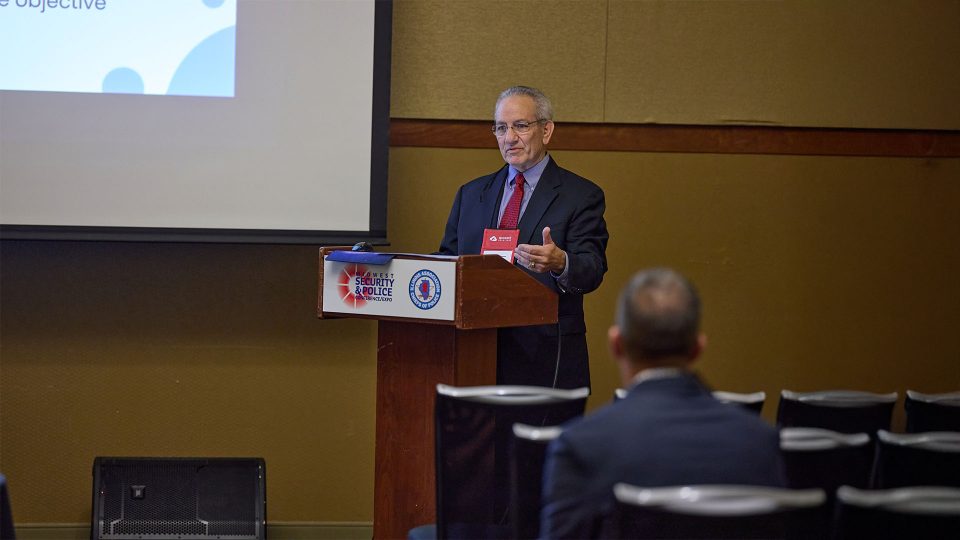





Most companies approach leadership development reactively. A manager struggles, so HR schedules a coaching session. A team underperforms, so leadership brings in a speaker for a one-day workshop. The cycle repeats, costs rise, and little truly changes. Nazma M. Rosado has spent nearly 30 years working with organizations across healthcare, pharmaceutical, and biotech sectors, building a career around showing leaders a better way. The alternative is not more training, it is systematic, repeatable leadership development that scales with the organization instead of constantly playing catch-up.
Define Leadership Standards Before You Train Anyone
The first mistake many companies make is launching leadership programs without clearly defining what effective leadership looks like in their organization. Generic frameworks are adopted, external consultants deliver standardized content, and leaders are left wondering why performance does not improve. Before any training is designed, Rosado partners with organizations to define specific leadership behaviors at each level. This creates clarity around what drives success within that organization’s unique context. “When I partnered with a mid-sized biotech firm, we started by outlining leadership behaviors at each level,” Rosado explains. “That clarity allowed us to build aligned training content, coaching, and assessments across the organization.”
Build Training That Scales Without Breaking
After leadership standards are defined, many organizations make a second misstep by building programs that work for a small group but fall apart at scale. The content is too rigid, too time-intensive, or too reliant on specific facilitators to be deployed broadly. Rosado designs systems that are modular from the start. Training is delivered through components such as short videos, scenario-based workshops, toolkits, and AI-enabled reinforcement. These elements can be adapted and deployed across roles and regions without rebuilding the program each time. “Training must be modular and flexible so it can evolve,” Rosado notes after converting in-person workshops into hybrid learning paths for a pharmaceutical client. “When content is modular, it can be rolled out consistently whether you are onboarding five managers or 500.”
Make Learning Stick Through Continuous Reinforcement
The third breakdown occurs after training ends. Participants leave sessions energized, return to their daily responsibilities, and within weeks the learning fades. Programs are labeled ineffective, and the cycle begins again. Rosado treats training as the starting point, not the finish line. Peer coaching, manager feedback loops, executive coaching, and pulse assessments are built into the system. Leaders are given structured opportunities to apply what they have learned, along with ongoing feedback to refine their skills. “In one program I designed, we embedded coaching circles and tracked progress against business KPIs,” Rosado recalls after implementing the approach for a healthcare organization. “Engagement increased significantly, and we saw measurable improvements in leadership effectiveness across teams.”
Leadership Development Is Infrastructure, Not an Event
Building repeatable leadership development systems is not about recycling slides or repeating the same workshop each quarter. It is about designing for scale, sustainability, and measurable impact. “Leadership is the engine of transformation,” Rosado says. “And engines require systems, not one-time tune-ups.”
Connect with Nazma M. Rosado on LinkedIn.