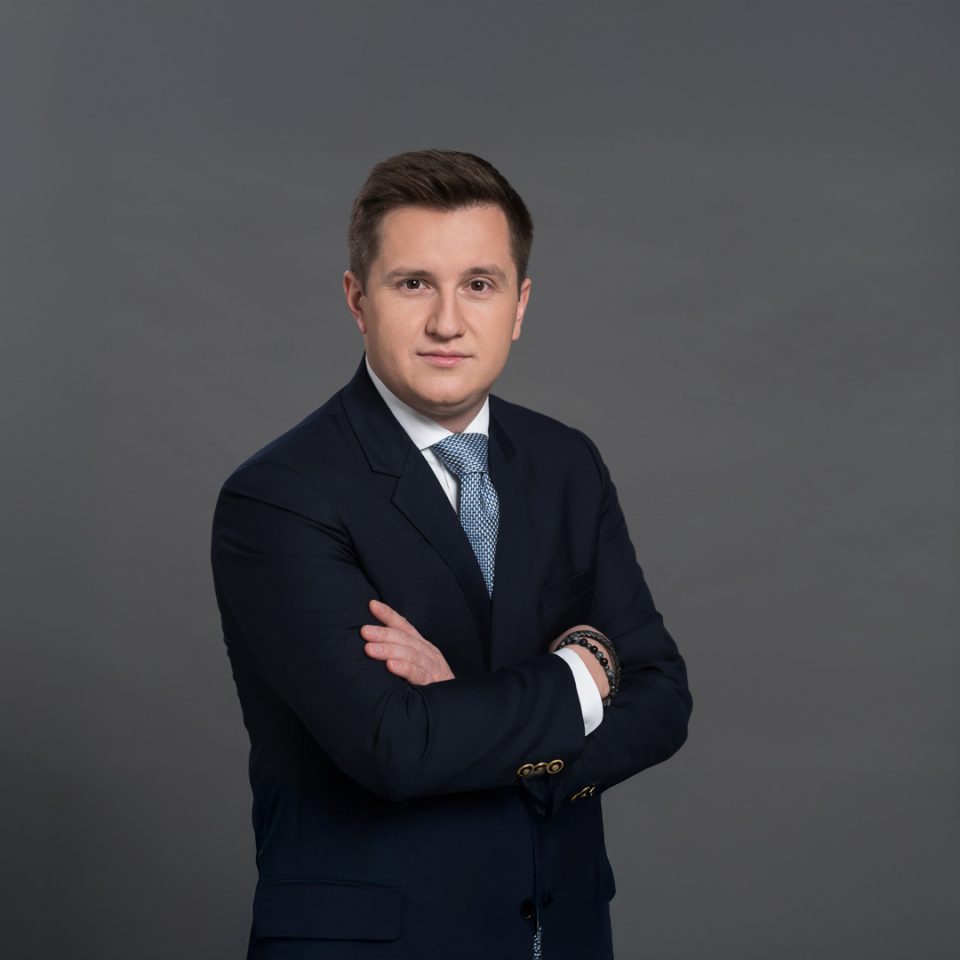




Early-stage companies rarely fail because of a lack of ambition. More often, they fail because ambition outpaces operational reality. Vision without structure creates fragility, and founders who are not mentored beyond the next milestone often struggle to build companies that endure. Alex Kartsel, Ph.D., MBA, Chief Business Development Officer at EWL Group, has spent more than 15 years guiding early-stage companies and enterprise platforms through critical growth stages, from go-to-market strategy to international expansion and exits. Having led global teams, scaled P&Ls across continents, and co-founded successful ventures, Kartsel believes mentorship must evolve beyond tactical advice.
“The best mentorship doesn’t focus on the next milestone. It builds a mindset to grow past it,” he says. For Kartsel, long-term growth begins when mentors help founders develop the clarity, discipline, and resilience required to lead at scale.
Anchor Mentorship in Operational Reality
“Founders don’t need abstract theory. They need grounded guidance that reflects operational truth,” Kartsel notes. Many founders are surrounded by big ideas, but lack exposure to the operational mechanics that turn strategy into execution. Kartsel argues that effective mentorship bridges this gap by connecting ambition to systems.
Having built and led teams of more than 200 people, he has seen how execution gaps can quietly derail promising companies. Hiring models, go-to-market strategies, and product-market fit are not theoretical exercises; they are operational decisions that determine survival. “Execution gaps can kill vision,” he explains. “Mentors must help founders connect ambition to process.” This practical orientation allows founders to move from reactive decision-making toward structured growth. Instead of chasing momentum, they build organizations capable of sustaining it.
Teach Founders to Navigate Complexity with Clarity
“A mentor’s job is not to simplify the challenge, but to help founders think clearly through complexity,” Kartsel emphasizes. Scaling a company introduces layers of uncertainty, new markets, evolving customer expectations, talent constraints, and financial pressure. Attempting to remove that complexity is unrealistic. Preparing founders to operate within it is essential.
The importance of mental models and structured thinking is vital, according to Kartsel. Whether expanding cross-border or managing fast-growing teams, founders must learn how to evaluate trade-offs and make confident decisions amid ambiguity. “Real growth comes from clarity in chaos,” he says. Mentors who cultivate this clarity do more than solve immediate problems; they strengthen a founder’s leadership instincts. Over time, this creates organizations that are not only agile but strategically grounded.
Balance Bold Vision with Execution Discipline
Perhaps the most delicate tension in entrepreneurship is the balance between boldness and discipline. Founders must stretch markets and challenge assumptions while remaining anchored in data, planning, and accountability. “Teach founders how to think big, but operate with focus,” advises Kartsel. Kartsel speaks from experience. As a co-founder who successfully exited CarMate, he credits disciplined execution as the force that kept vision aligned with reality. “Founders should stretch markets, but with data, planning, and accountability,” he notes.
This balance becomes even more critical as companies expand globally. Kartsel encourages mentors to push founders toward an international perspective, while maintaining local responsiveness, a combination that builds resilience. “With experience leading global talent networks and digital marketplaces, I’ve seen how resilience and perspective drive the difference between hype and legacy.”
Mentorship That Builds Leaders, Not Just Companies
Sustainable companies are ultimately shaped by the leaders behind them. Kartsel believes great mentors recognize that their role extends beyond accelerating growth metrics; they are helping founders evolve into strategic decision-makers capable of guiding organizations through uncertainty. For boards, investors, and senior operators serving as mentors, the advice must be rooted in operational reality, structured thinking, and long-term resilience. “Great mentors don’t just accelerate business; they develop leaders who build companies that endure.”
While funding rounds and product launches capture headlines, it is leadership maturity that determines whether a company becomes a fleeting success or a lasting institution. “Long-term growth is about more than scale. It’s about helping founders evolve into strategic, resilient leaders,” Kartsel concludes.
Find Alex Kartsel, Ph.D. on LinkedIn for more insights.