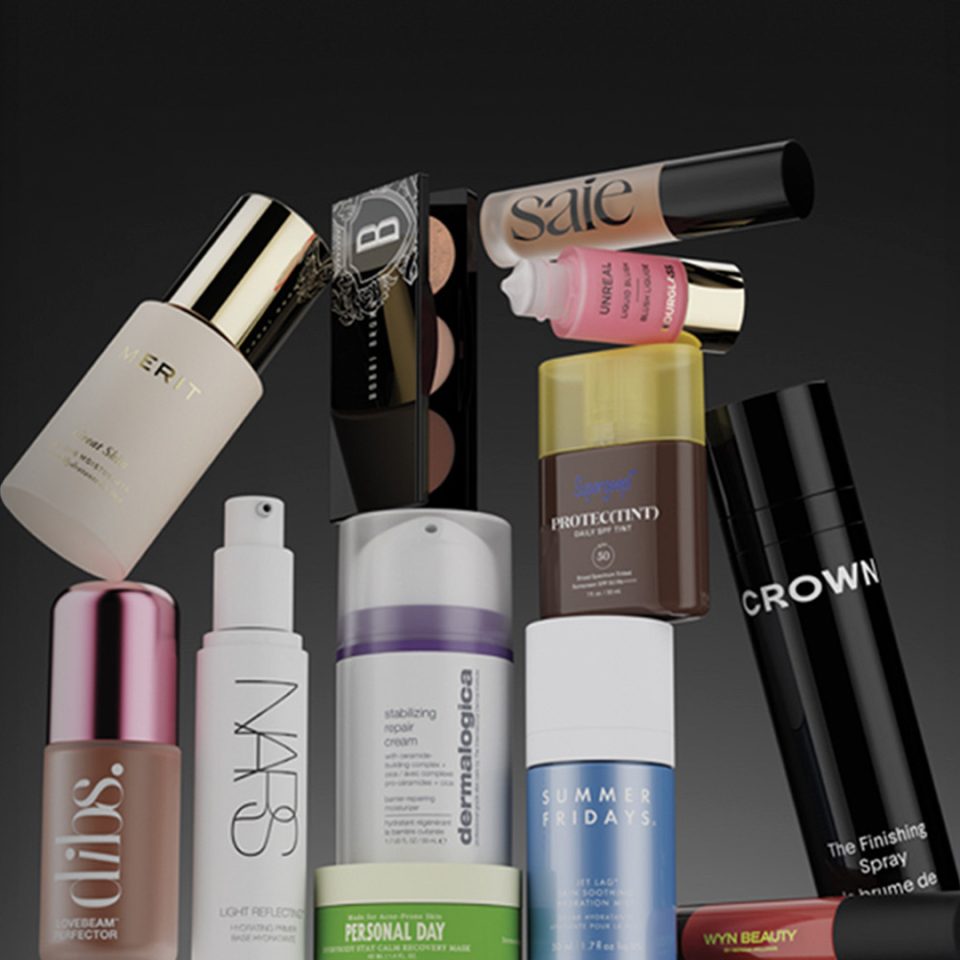






Most people pick up a skincare product without giving much thought to the container it comes in. But that sleek pump or elegant jar is the result of years of design choices, engineering tests, and increasingly difficult decisions about sustainability. For more than 15 years, Alexander Kwapis has been helping brands like Estée Lauder, Shiseido, Rare Beauty, and Merit bring innovation to life through packaging. As Global Head of Innovation, R&D, and Engineering at FusionPKG, he has watched the industry evolve from treating packaging as an afterthought to seeing it as an essential part of the beauty experience itself.
Rethinking Packaging Beyond Its Purpose
Open your bathroom cabinet and you’ll probably find a dozen skincare products lined up in neat little rows. Each one sits in packaging you hardly notice. But Alexander Kwapis sees something entirely different. “To me, packaging isn’t just a container. It’s a way to protect the formula, delight the consumer, and drive sustainability,” he says. That perspective runs deeper than corporate jargon. The way a product dispenses, how it feels in your hand, and whether it keeps a formula fresh for months, all of it depends on packaging design. And now, there’s a new challenge: doing all of that while cutting down on plastic waste. It’s a puzzle that only gets more complicated as expectations rise.
Transforming Classic Designs for Modern Demands
Sometimes the biggest breakthroughs don’t come from inventing something brand new. They come from rethinking what already exists. Airless pumps have long been a staple in the beauty world. Brands rely on them to keep formulas from oxidizing or becoming contaminated, and consumers love how neatly they dispense every last drop. The catch? They’ve been notoriously difficult to recycle. “Take Airless One, the first certified recyclable airless pump in prestige beauty,” Kwapis says. “We turned a proven format into a circular solution without losing performance.” That transformation didn’t come easily. The pump still had to function flawlessly, protect high-value formulas, and feel just as good in the customer’s hand. The difference is that now it can actually be recycled instead of ending up in a landfill.
Balancing Innovation with Sustainability
Here’s where things get interesting from a business perspective. FusionPKG didn’t have to choose between growth and sustainability. “At FusionPKG, our pipeline blends brand vision with planetary responsibility, reducing plastic, improving recyclability, and using post-consumer materials,” Kwapis explains. That strategy helped push the company past $80 million in revenue and eventually led to its acquisition by Aptar. Not long ago, sustainable packaging often meant compromise, it either looked good or performed well, but rarely both. That mindset has shifted. Today, beauty brands expect packaging that delivers on every front, and they’re ready to invest in it. As it turns out, doing right by the environment can also be great for business.
Building Collaboration That Drives Breakthroughs
Nobody designs breakthrough packaging in isolation. Kwapis credits collaboration for much of what FusionPKG has achieved. “Breakthroughs happen through collaboration. Designers, engineers, and strategists are united by the belief that beauty packaging should be as innovative as the formulas inside,” he says. It’s an idea that sounds simple but is anything but. Designers create concepts that look stunning yet might be impossible to manufacture. Engineers have to find ways to bring those ideas to life. Strategists step in to make sure it all makes business sense. Aligning those perspectives takes effort, but that’s where innovation really happens.
The beauty industry isn’t slowing down. New brands continue to launch, consumers keep raising expectations, and sustainability goals grow more ambitious every year. Kwapis is clear-eyed about where things are headed. “The future is about blending tradition and disruption to serve tomorrow’s consumers,” he says. Balancing what works with what’s next has never been harder. People want products that feel luxurious and perform flawlessly, yet they also expect brands to take environmental responsibility seriously. Meeting both expectations demands constant creativity, and that’s exactly where the next generation of beauty packaging will emerge.
Connect with Alexander Kwapis on LinkedIn to explore how thoughtful design can shape the future of sustainable beauty packaging.