



A nonprofit’s strategy is usually finished before anyone asks whether it can be funded. Leadership builds the plan, aligns on the vision, approves the priorities, and only then brings in the development team to raise the money against decisions already made.
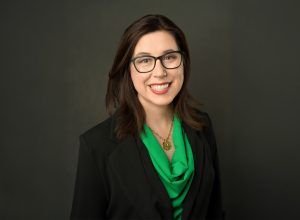
That sequence feels orderly, but it is where the strategy fails. That is because the plan was designed without anyone in the room who knew what donors would actually pay for. Bettina Alonso, a senior fundraising executive who has raised more than $100 million across healthcare, faith-based, and international nonprofit organizations over two decades, has watched that handoff cap organizations that should have thrived.
“Philanthropy cannot sit on the sidelines,” she notes. “It must have a seat at the strategy table.” Fundraising leadership holds real knowledge of what donors will fund. Leaving it out means building a vision the organization discovers it cannot afford after committing to it.
Fundraising Is Market Intelligence, So It Belongs in the Planning Room
When development is brought in only after the plan is set, the organization has already made its most consequential decisions blind. Philanthropy leaders understand donor trends, market appetite, timing, and feasibility. They know which initiatives will resonate with funders, which need repositioning to become fundable, and where the potential for transformational gifts exists. That is exactly the information a strategy needs while it is being built, not after it is finished.
“When development is involved from the beginning, strategy becomes visionary and fundable,” she explains. A strategy can be visionary without being fundable, which produces an inspiring plan that starves for lack of donor support. Involving fundraising leadership early keeps the vision tethered to what can actually be financed. This allows the organization to commit to ambitions it has real reason to believe it can actually fund.
Translate the Strategy Into a Story Donors Can Invest In
A strategic plan is an internal document, and philanthropy requires an external story. Donors do not invest in line items. They invest in solutions, innovation, and long-term impact, which means the organization’s priorities have to be translated from the language of internal planning into a compelling case for support.
That translation is work the chief executive officer and fundraising leadership have to do together, and it demands real clarity. What problem is the organization solving? Why now? Why this organization? How exactly is it solving the problem? What measurable change will result? These questions turn a plan into something a donor can actually back.
Bettina notes that when philanthropy is part of strategic conversations from the start, the messaging sharpens, and the organization speaks with one voice from the boardroom to the donor meeting. That consistency builds the trust transformational giving depends on.
Give the Board a Real Role, and Measure Philanthropy As It Matters
If philanthropy is central to strategy, the board’s role has to reflect that. Boards should not merely approve budgets. They should lead by example, equipped to open doors, advocate, and model giving themselves. Bettina’s experience building high-performing boards points to a clear dynamic. Engagement improves when members feel meaningfully connected to growth, because fundraising is not the responsibility of one department but a shared leadership function the board is part of.
What makes the whole shift real is measuring it. If something matters, it must be measured, which means treating philanthropic growth, board engagement, donor retention, and major gift pipeline health as strategic performance indicators, held to the same standard as operational efficiency. When philanthropy is tracked and discussed at the executive level, it signals priority and shifts the mindset from transactional fundraising to long-term sustainability.
Putting philanthropy at the strategy table was never about elevating a department. It has always been about strengthening the organization’s future by leading with vision and funding that vision with confidence. To learn more about putting philanthropy at the strategy table, connect with Bettina Alonso on LinkedIn.