





Fan loyalty is not what it used to be. The modern fan has more options, more distractions, and higher expectations than any generation before. The organizations that believe simply putting on a great game is enough to hold them have lost ground to those that have figured out something more fundamental. Lasting loyalty is not built by being the best option. It is built through moments: a birthday offer, a message after a tough loss that acknowledges how the fan is feeling, or a personalized highlight from a game they attended. These moments of relevance are what separate transactional relationships from emotional ones.
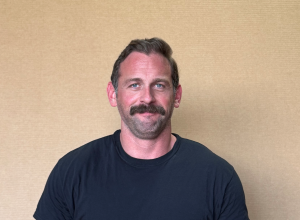
Clark Morey, Director of Enterprise Solutions at Brightspot, has spent two decades partnering with sports, media, and entertainment organizations on exactly that challenge. “The organizations building genuine, lasting loyalty are the ones that make every fan feel like the experience was made specifically for them,” Morey states. “That’s not magic. That’s personalization done right.”
Generic Is the Fastest Way to Lose Them
The era of blasting the same message to an entire fan base is over, not because the practice became unethical, but because fans noticed and stopped responding. Generic communication in a world of infinite content options does not just underperform. It signals to the fan that the organization does not actually know who they are, and that signal erodes the relationship faster than most marketing teams realize.
A season ticket member, a casual fan, and a digital follower have fundamentally different relationships with an organization. They care about different things, respond to different moments, and have different thresholds for what feels like genuine engagement versus noise. When communication speaks to each of them based on their actual behavior, their preferences, and their specific history with the brand, something changes. The relationship deepens because it becomes real, grounded in something the fan recognizes about themselves rather than something an organization decided to broadcast.
Personalization at Scale Requires Data With Purpose
The temptation in sports marketing is to accumulate data and then figure out what to do with it. The organizations seeing the strongest results from personalization are working in the opposite direction, starting with the fan relationship they want to build and engineering the data collection backward from that outcome. What does a loyal fan actually do differently from a disengaged one? What signals precede a lapse in engagement? What moments in a fan’s history with the organization carry the most emotional weight?
Answering those questions transforms data from a reporting asset into a relationship asset. The difference between an organization that has fan data and one that uses fan data to deepen loyalty is the difference between knowing and understanding, and that understanding is what makes personalization feel human rather than algorithmic. Fans can tell when they are being targeted. They cannot tell when they are being genuinely understood. The goal of every personalization strategy in sports and media should be to make more fans feel the latter. The leaders who can identify high-impact moments in the fan journey and deliver something personal when it matters most create lasting memories. Those memories are what keep fans coming back year after year.
Follow Clark Morey on LinkedIn for more insights on fan engagement, personalization strategy, and building the marketing systems that turn casual fans into lasting loyalists.