




In enterprise tech, the product gets you in the room. What happens next determines whether you stay. Most software as a service (SaaS) companies invest heavily in winning new clients and chronically underinvest in keeping them, not because retention is not a priority on paper, but because the organizational design works against it. Sales owns the relationship until the contract is signed, then hands it to a team that was not part of the conversation that created the expectation.
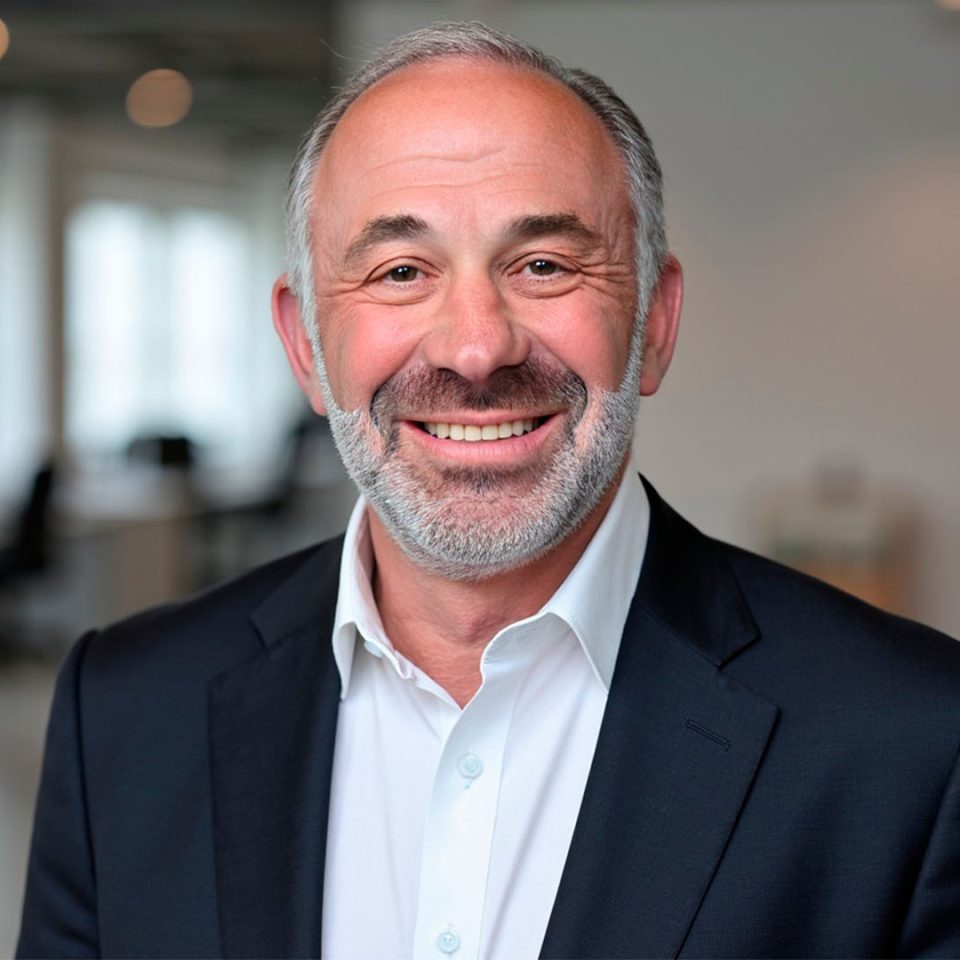
Alan David Rudolph, chief operating officer (COO) and senior executive with a career spanning global SaaS and cloud organizations, has spent years closing that gap between what was promised and what gets delivered. “In tech, your product opens the door,” Rudolph says. “But relationships keep you in the room.”
Clients Do Not Need More Information. They Need Clarity
Enterprise clients are drowning in dashboards, status updates, and quarterly business reviews that tell them what happened without telling them what it means. The instinct when a client relationship feels shaky is to add more communication, which usually results in more noise. At Cendyn, Rudolph took the opposite approach. Onboarding, services, support, success, and training were unified into a single customer narrative.
The impact was reduced friction, stronger retention, and expansion across major hospitality clients, including Virgin Hotels and Monarch Casinos. The clients did not receive any additional information. They got clarity about where they stood and what was coming next. That is a fundamentally different offering, and it is one that most enterprise organizations have not figured out how to deliver consistently.
Proactive Beats Reactive Every Time, But Nobody Builds for It
The most expensive client conversations in enterprise SaaS are the ones that should have happened weeks earlier. By the time a client escalates, trust has already eroded, the internal narrative has already formed, and recovery requires significantly more effort than prevention would. Most customer success organizations are structured to respond. The best ones are structured to anticipate.
At MitraTech and Conga, Rudolph embedded strategic checkpoints, executive value reviews, and operational health scores into the rhythm of client engagement, not as reporting exercises but as early warning systems designed to surface risk before it became visible to the client.
The result was long-term partnerships with organizations including Allstate, Schlumberger, and Amgen, built on a foundation of predictability rather than crisis management. “Predictability breeds loyalty,” Rudolph says. Clients who know their partner sees around corners do not go looking for alternatives.
Global Delivery Has to Feel Local
Scaling client relationships across regions introduces a tension that most global organizations resolve badly. They build offshore and nearshore delivery centers to reduce costs and extend coverage, then wonder why the client experience feels transactional. The operational efficiency is real. The relationship quality suffers because the model was designed for scale rather than for the client.
Rudolph’s approach invests in cultural fluency alongside operational precision. Whether delivery is coming from Austin, Amsterdam, or Bangalore, the client experience has to feel local. That requires deliberate investment in how global teams are trained, how they communicate, and how they are empowered to make decisions without routing everything through a central function. “The client experience should feel local even when we know we’re delivering globally,” Rudolph says. In a market where AI is reshaping what technology can do almost daily, the organizations that build that kind of trust across geographies will be the ones with whom clients choose to navigate these changes.
Follow Alan David Rudolph on LinkedIn for more insights on global client relationships, enterprise SaaS leadership, and building customer success organizations that scale.