




In Appalachia, access is not about insurance or clinic hours. It is about geography, transportation, workforce shortages, and the reality that many communities are hours from basic care. Traditional healthcare delivery assumes patients can travel to centralized facilities. That assumption breaks in rural areas, where distance, terrain, and limited transportation make consistent access nearly impossible.
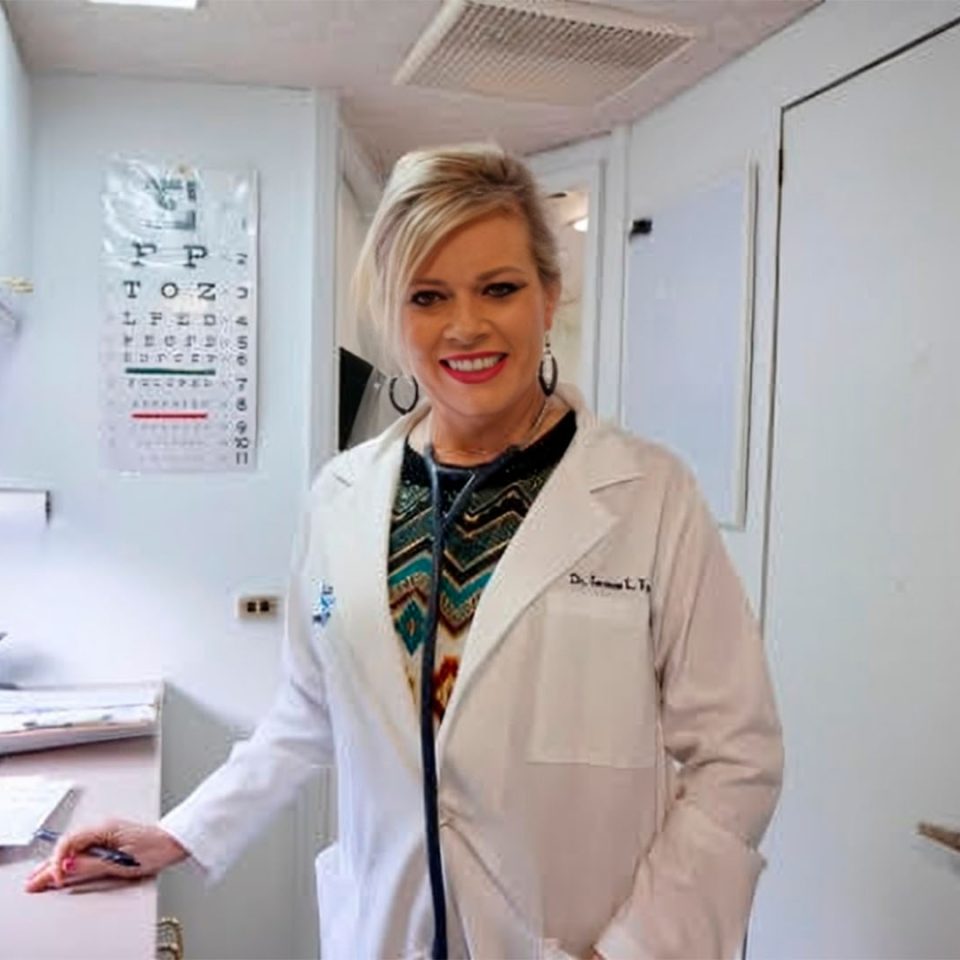
Dr. Teresa Owens Tyson, a family nurse practitioner and President and CEO of the Health Wagon, has spent over 30 years bringing care directly to communities through mobile and integrated models. The Health Wagon is a nurse practitioner-led mobile healthcare organization serving rural central Appalachia. “The goal isn’t simply to deliver services. It’s to build trust and continuity where the traditional system doesn’t easily reach,” Tyson explains. “In rural communities, access isn’t a concept. It’s a promise.”
Show Up Consistently, Not Occasionally
The first rule of outreach in Appalachia is that consistency builds credibility. “People don’t engage because you have a flyer. They engage because you’re there again and again,” says Tyson. “When outreach is consistent, healthcare becomes less about getting someone into a system and more about building a relationship that keeps them connected.” Sporadic programs create skepticism because communities have seen initiatives arrive with promises and disappear without follow-through.
Consistency delivers measurable outcomes. Chronic conditions stabilize when patients have reliable access to care rather than episodic interventions separated by months. Medication adherence improves because patients receive regular check-ins instead of one-time prescriptions with no follow-up. Preventable ER visits decline because people have a trusted point of contact for issues that would otherwise escalate. Trust also grows through familiar providers. When the same nurse practitioners return to the same locations on predictable schedules, patients share information they would not disclose to strangers. They ask questions they have been holding and bring family members who need care but were hesitant to engage.
Design Outreach as a Pathway, Not an Event
Real outreach is not a screening event or a single encounter. “Mobile care works best when it’s integrated,” Tyson explains. “You’re not only treating what’s in front of you, you’re creating the continuity across complex needs, limited resources, and real world barriers.”
Integrated pathways prevent the gaps that undermine outcomes. Patients who receive diabetes screening during mobile outreach also get connected to medication access, nutritional support, and follow-up appointments. Referrals to specialists include transportation coordination and appointment reminders because the mobile team understands that handing someone a referral slip accomplishes nothing if they cannot get to the appointment.
This approach reduces no-shows, improves chronic disease management, and catches issues before they require emergency intervention. It also builds efficiency because care is delivered in sequences that make sense for patients rather than forcing them to navigate fragmented systems independently.
Sustain Through Measurable Outcomes and Smart Technology
Outreach becomes sustainable when it is measurable and fundable. That means tracking outcomes that matter, such as, no-shows prevented, chronic conditions stabilized, medication adherence improved, avoidable ER visits reduced. Then translating those results into the language of payers, grants, and policy so the model can secure ongoing support. “Technology can extend reach, but only when it supports equity,” says Tyson. “Tools like telehealth and drone delivery help close gaps in remote regions, especially when weather, terrain, and distance disrupt access.”
Keeping the Promise
Mobilizing healthcare outreach in Appalachia is not about doing more with less. It is about doing the right things in the right order. Earning trust first through consistent presence, building an integrated care pathway, and sustaining the model with outcomes, funding, and equity-minded technology. “You keep that promise by showing up, staying connected, and building a system that doesn’t disappear when people need it most,” Tyson concludes. “Because in rural communities, access is a promise you keep through presence, not programs.”
Connect with Dr. Teresa Owens Tyson on LinkedIn for insights on mobilizing healthcare outreach in rural communities.
