

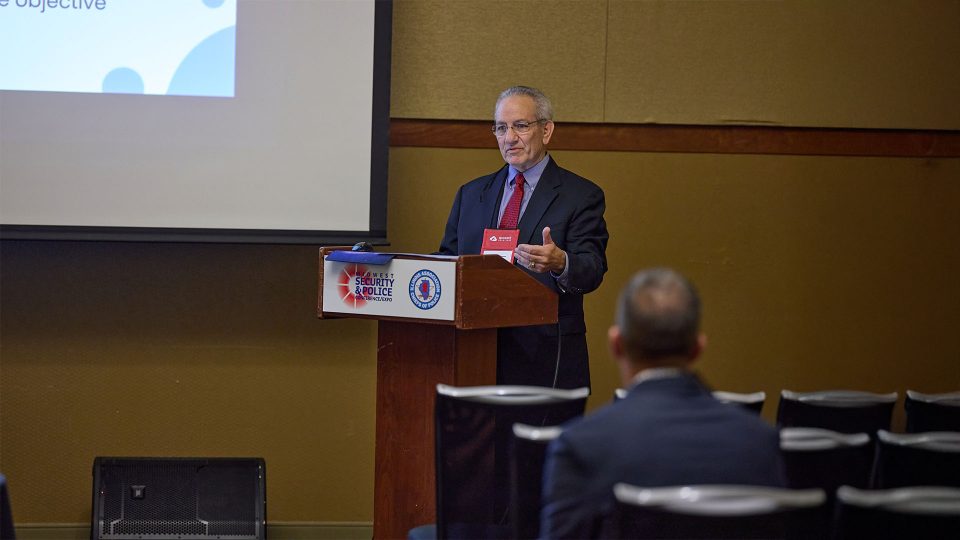




Customer experience has long been discussed in executive meetings. Yet in many organizations, it remains confined to operational dashboards rather than elevated to the strategic agenda.
Roanne Neuwirth has built her career helping boards and leadership teams change that dynamic.
Having worked with boards and C-suites across B2B and Fortune 1000 organizations, Neuwirth focuses on translating growth ambitions into measurable business impact, often by repositioning customer experience as a leadership priority rather than a departmental initiative.
“I’ve spent my career partnering with boards and executives to drive growth through client-centric strategy,” Neuwirth explains. “I help organizations translate their ambitions for growth into real-world impact by putting customer experience at the center of decision-making.”
For boards seeking sustainable growth through customer experience, she believes the conversation must start at the top.
Customer Experience Is a Board-Level Growth Strategy
Too often, customer experience is delegated downward, treated as a marketing program or operational service improvement effort rather than a driver of enterprise value.
Neuwirth challenges that assumption directly.
“Customer experience is no longer just a marketing or operational initiative. It’s a core business strategy,” she says.
Boards play a pivotal role in reinforcing that shift by ensuring the company’s leadership connects experience to long-term differentiation and financial performance.
“The strongest boards ask questions like: Which customer moments matter most to growth? What customer problems are we prioritizing? How are insights shaping strategy, not just validating it? And how are leaders held accountable for the experience we promise?”
When boards elevate these questions and scrutinize the answers, customer experience stops being reactive. It becomes directional, shaping investments, priorities, and competitive positioning.
Transformation Begins with Executive Alignment
Despite advances in the ability to track and analyze the customer experience, many transformation efforts stall. Neuwirth has observed that the root cause is rarely a lack of information.
“Customer experience transformation doesn’t fail due to lack of data,” she notes. “It fails due to a lack of alignment across leaders and their siloed functions.”
Boards create meaningful influence when they look beyond functional performance and instead examine how leadership teams operate collectively in support of the customer.
That often requires redirecting oversight toward insights on the moments where customers feel disconnects and barriers the most, including the handoffs between departments, the trade-offs that slow resolution, and the breakdowns no single executive owns.
“Boards create impact by focusing on how leadership teams work together to deliver seamless client experiences,” Neuwirth says. “That means shifting oversight from individual functions to areas of customer friction, where executives jointly own failure points.”
Alignment at this level reduces internal drag, accelerates decision-making, and ultimately strengthens growth execution.
Measure What Actually Drives Action
Transformation gains momentum when measurement evolves alongside strategy.
For Neuwirth, the most effective boards resist surface metrics like NPS and customer satisfaction and instead concentrate on indicators that prompt decisive leadership behavior.
“Transformation requires focusing on metrics that drive action to improve the customer experience,” she explains.
That includes things like tracking retention and expansion tied to critical experience moments, the cost of rework and escalations, and the time required to resolve high-impact customer issues.
“Boards are able to add value when these kinds of customer experience insights translate into clear priorities, investments, and leadership commitments.”
From Oversight to Strategic Influence
Customer experience represents one of the most underutilized levers available to modern boards. But its power is realized only when it is treated as a leadership-driven effort rather than a supporting initiative.
“Customer experience transformation is one of the most powerful levers boards have to drive sustainable growth,” Neuwirth says. “As long as it’s treated as a strategic, leadership-driven effort.”
Organizations feel the difference quickly. Decisions become more cohesive, trust strengthens, and market relevance deepens.
“When boards lead this conversation well, organizations don’t just improve customer experience, they build lasting trust, relevance, and growth.”
Ultimately, Neuwirth’s perspective reframes the board’s role itself. When customer experience becomes a board priority, growth stops being a target and starts becoming an outcome.
For more insights, connect with Roanne Neuwirth on LinkedIn.
