





Leadership isn’t what you do. It’s what people remember about you.
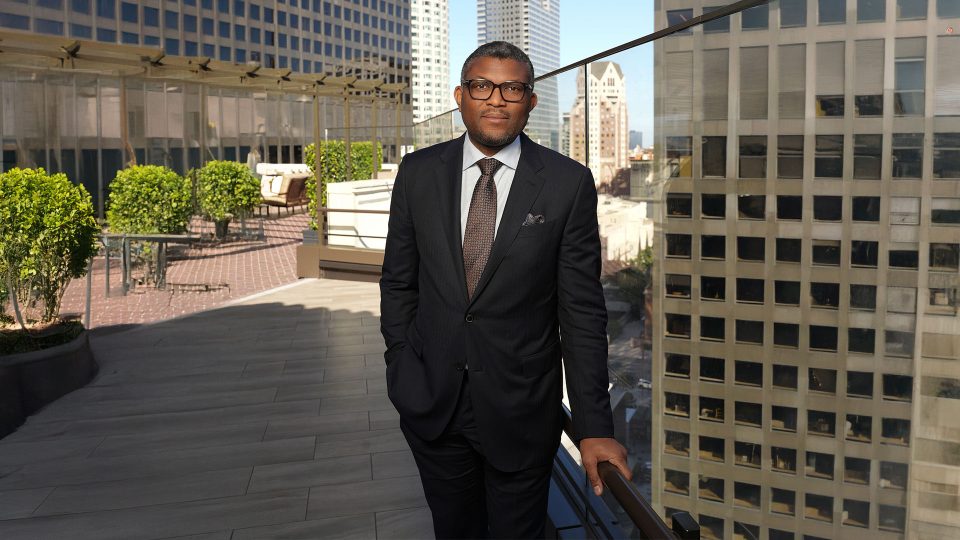
Aurélien Mangano, executive coach, international speaker, and creator of the Leadership Maturity Matrix, works with directors, VPs, and senior leaders to help them shift from high-performing managers to high-impact leaders. His view is that most professionals build their identity around their current title or responsibilities, but real growth begins when your brand starts reflecting your vision, what you stand for, what you’re building, and why it matters.
Building Brand for the Role You Want, Not the One You Have
Most professionals build their identity around their current title or responsibilities. But real growth begins when your brand starts reflecting your vision.
“Brand for the role you want, not the one you have,” Mangano explains. “Your future isn’t defined by your job description. It’s defined by the story you tell and how clearly you invite others into it.”
Professionals who brand for their current role talk about the responsibilities they manage, the projects they deliver, and the teams they lead. This creates an identity tied to the present position that becomes an obstacle when pursuing bigger opportunities. When decision-makers evaluate candidates for senior roles, they look for people who think and communicate like leaders at that level, not people who execute well in current positions.
Building a brand for the role you want means reflecting vision rather than responsibilities. What you stand for matters more than what you manage. What you’re building matters more than what you’ve completed. Why it matters creates a connection that job accomplishments alone cannot.
This shift changes how people perceive you. Instead of seeing someone who manages marketing campaigns, for example, they see someone building brand platforms that drive business growth. The work may be similar, but the story positions you differently.
“What you stand for, what you’re building, and why it matters,” Mangano notes. “That’s the brand that creates career breakthroughs.”
Making Your Presence Speak Before You Do
People often meet your profile before they meet you. Whether it’s LinkedIn, a talk you give, or a simple introduction, your brand should signal clarity, conviction, and leadership.
“If your presence only shows what you’ve done, not what you stand for, you’re missing the opportunity to lead before you’re in the room,” Mangano explains.
Most professional profiles function as resumes, chronological listings of positions held, responsibilities managed, and accomplishments achieved. These demonstrate competence without creating differentiation. Decision-makers reviewing dozens of profiles for senior roles repeatedly see accomplished professionals with strong track records who don’t articulate what makes them distinctive.
Making your presence speak means signaling clarity, conviction, and leadership through what you choose to emphasize. Clarity means people immediately understand what you do and why it matters. Conviction means your perspective on challenges facing the industry comes through. Leadership means your profile demonstrates thought leadership through insights shared, problems you’re solving, and the vision you’re pursuing.
“Your brand should signal clarity, conviction, and leadership,” Mangano emphasizes.
When your presence speaks before you do, opportunities come to you. People invite you to conversations, projects, and roles because your brand already positions you as a leader worth engaging.
Inspiring Rather Than Just Informing
Managers communicate to deliver messages. Leaders communicate to create movement.
“Branding isn’t just about visibility, it’s about resonance,” Mangano explains. “When your voice reflects your purpose, people don’t just listen, they remember. That’s what gets you invited into bigger conversations and greater influence.”
Most professional communication focuses on informing, sharing updates, explaining decisions, and documenting progress. This keeps stakeholders informed without creating momentum. People receive the information, process it, and move on. Nothing changes about how they think or what they do.
Leaders communicate to create movement by connecting information to a purpose that resonates. When you explain a strategic shift, you don’t just describe what’s changing and when. You articulate why it matters for customers, for the business, for the team.
“Inspire, don’t just inform,” Mangano notes. “When your voice reflects your purpose, people don’t just listen, they remember.”
Creating Recognition Rather Than Waiting for It
“If you want to drive a true career breakthrough, don’t wait for recognition. Create it,” Mangano concludes. “Build a brand that reflects your future. Show up with clarity and inspire the people around you. Because your next opportunity doesn’t come from doing more. It comes from being seen differently.”
Professionals waiting for recognition hope that strong performance, long tenure, or technical expertise will eventually get noticed and rewarded. This passive approach leaves career progression dependent on whether the right people happen to notice your work at the right time.
Creating recognition means building a brand that reflects your future, making your presence speak through clarity and conviction, and inspiring people so they remember you. This active approach makes career progression predictable because you’re deliberately shaping how decision-makers perceive you.
Your next opportunity doesn’t come from doing more. It comes from being seen differently.
Connect with Aurélien Mangano on LinkedIn for insights on using branding to drive career breakthroughs.